

Bed and breakfast businesses are among the leading tourist accommodation sectors worldwide. In Europe, the sector contributes about E1.2 billion, which is an upward trend of almost 96% of the 28 million bed and breakfast businesses. As such, opening and running a bed and breakfast business model is profitable, if done correctly. This article, explains what a bed and breakfast business model is, if it’s the right fit for you, what you should consider when setting up a bed and breakfast business plan, and tips for running a profitable bed and breakfast business venture. What is a Bed and Breakfast Business? Bed and breakfast businesses, B&Bs, aren’t your typical vacation rental homes. They’re often small tourist accommodation places that offer guests overnight accommodation, home-cooked breakfast, and a private home type of experience. They can take the form of large family homes with around 10 rooms. The owners of the B&B live onsite to ensure that guests are comfortable. Social interactions in B&Bs are higher compared to other tourist accommodation options. Many tourists prefer B&Bs for weekend getaways or romantic outings. Is Starting a Bed and Breakfast Business the Right Fit for You? Opening a bed and breakfast business plan can be a daunting undertaking for you and your family. It requires some extra commitment and daily devotion to your different types of guests. Some of the pros of running a B&B venture include the following; ● A high-profit margin ● You can express your creative self with a professional in-house design team ● Low startup costs if the property belongs to you ● You’ll build your business network by meeting different clients ● You can use different platforms to market your bed and breakfast business The flip side of running a B&B includes the following; ● Your number of B&B reservations is reliant on your value proposition, especially a good property, its location, and access to proper amenities. ● The success of your B&B is dependent on the quality of your B&B and its services. You can partner with an exceptional quality management company that offers clean, sustainable products including home décors, curtains and blinds, beddings, and bed linens to deliver good quality products. ● The definition of quality products and services is different among travelers. It makes it difficult to meet specific traveler requirements as some can’t compromise on having a private bathroom, fitness center, swimming pool, luggage assistance, free cable or satellite television in their rooms, a late arrival check-in, or a free breakfast. Therefore, you must consider the following questions if you want to set up a successful bed and breakfast business. They’ll guide you to determine if it’s the right fit for you; ● Can you work well under pressure? ● Are your organizational skills up to the mark? ● How aggressive are you in using new technologies, techniques, and strategies to grow your bed and breakfast business? ● Are you a good, reliable cook and cleaner? Or you’ve got to hire someone and can you afford them? ● How are your people skills? Can you deal with potentially difficult clients in a personable manner? Answering the above questions will help you determine if it is the right move for you. They also maximize your chances of succeeding in managing and growing your B&B business plan. Tips for Running a Successful Bed and Breakfast Business Plan Get Insurance and Legal Coverage Insurance coverage assists by protecting your B&B business investment from damage while ensuring that your guests get to enjoy their holiday experience safely. The different insurance covers ideal for a B&B business include the following; ● Building insurance- it’ll protect your property from all sorts of events including pipe bursts and storm damages. ● Contents insurance- this cover protects everything inside your property that isn’t part of the building. On that account, your patterned-designed glassware, ceramics, bathware, and other homeware products are safe. ● Public liability insurance- it protects you from any legal fees or costs that may arise due to someone falling sick or getting injured while staying in your B&B property. ● Employers’ liability insurance- it’ll cover your business from work-related lawsuits due to your employees getting sick or injured. ● Legal expense cover- it insures your business from legal fees owing to court hearings. What’s Your Target Market? The bed and breakfast business serves different types of customers, including the following; ● Tourists- your B&B business will receive more tourists depending on proximity to nearby destination sites. You can attract such clients by offering free travel maps to such sites or listing your B&B as a tourist accommodation place on the websites of such places. ● Romantic getaways- here, you’ll be targeting lovebirds by locating your B&B near a well-known romantic getaway place like a romantic restaurant. Furthermore, you can attract them by offering date night goodies such as champagne. ● Business travelers- these clients are common around big metropolitan areas or major business districts. ● Locals needing extra room- functions such as weddings, family reunions, or graduation parties will attract out-of-town guests who need a B&B venue. Your preferred target market will play a significant role in finding a supplier for bedding, customizing your home furnishings, and deciding on the best home decorative idea. What’s your B&B Business Budget? Factors that’ll influence your cost of setting up a B&B business plan include the following; ● The size of your property ● The condition of your building including aesthetical and structural renovations ● The age of your B&B business home On the bare minimum, you’ll need to source quality homeware products such as new beds, pillows, bedding, towels, and other relevant top-notch home décors to open up shop. Moreover, you must consider your mortgage, running costs, taxes, and annual expenses when running a B&B business plan. Apply for the Required Licenses and Permits The B&B and hospitality industry at large is extremely regulated. You must check and comply with all the pre-determined laws and regulations set to be operational. Some of the required licenses and permits include the following; ● A food safety regulation ● A fire regulation compliance license ● A gas safety regulation permit ● An electrical work regulation compliance permit ● A B&B business planning permit ● An alcohol license Decide on Your Branding, Marketing, and Sales Plan A steady cash flow is necessary for setting up a successful B&B business. You can achieve this by receiving continuous reservations depending on your branding, marketing, and sales campaigns. An effective campaign strategy must contemplate the following; ● Your company information and description- outline your B&B’s name, location, and quality of service. ● Your target market- you should aim for a specific target market by highlighting your B&B’s fun-filled activities and communal space, type of breakfast, type of check-in experience, type of bed configuration, and theme and design. ● Your operational strategy- you’ll be reaching out to potential clients through your website, local events and fairs, Craigslist, B&B and AirBnB websites, TripAdvisor listing and reviews, online blogging and SEO optimization, and partnering with service providers from your locality. ● Your occupancy rate- the number of guests your B&B will accommodate at any given moment determines whether you’re running a profitable business or not. Set Up Your B&B Business Once you’re aware and comfortable with the complexities of the bed and breakfast business industry, you should take the next step and set up your own B&B business. JHTHome: Your Preferred Bed and Breakfast Business Partner Setting up a bed and breakfast business isn’t for the faint-hearted. It requires all the professional experience you’ve got to select the perfect B&B business location and select the appropriate home décor to satisfy your target market. JHTHome is a leading manufacturer of home textile products with a diverse range of home products including, bedding, bed linen, soft furnishings, window coverings, and homewares. Our professional in-house design team is dedicated to helping you come up with the perfect home décor designs for your bed and breakfast business setup. Our products are of top-notch quality, eco-friendly, and cost-effective thanks to our innovative processes. Contact us today and get free samples for your B&B business venture.

Blackout curtains are a popular choice for people looking to enhance their sleep environment by blocking out sunlight and reducing noise. Ensuring these curtains remain clean and in good condition is important for their efficacy and the overall aesthetics of a room. Washing blackout curtains can be tricky, as improper handling may damage their delicate fabric or the special blackout coating. This article will provide guidance on appropriate methods for cleaning blackout curtains without causing damage. One approach involves cleaning the curtains without taking them down, using a handheld vacuum to remove dust and debris. However, for a more thorough cleaning, it might be necessary to remove the curtains from the rod and either wash them in the washing machine or by hand, depending on the manufacturer's recommendations. Some blackout curtains can be safely machine-washed on a gentle cycle with cold water and a mild detergent, while others require hand washing to preserve the integrity of the fabric and the blackout coating. Each type of blackout curtain has specific care instructions, so it is essential to consult the manufacturer's guidelines before attempting to wash them. In the following sections, we will discuss various techniques for cleaning blackout curtains and provide recommendations to help maintain their quality and effectiveness over time. JHTHome is a manufacturer that supplies businesses of all sorts with custom bedding and curtain products. The company manufactures high-quality and durable custom bedding products. You can contact JHT to fulfill your order. Understanding Blackout Curtains Blackout curtains are designed to minimize or block out light, providing a dark and serene environment for sleep or other activities. They also help in reducing external noise and regulating the room temperature by insulating against heat and cold. This section provides useful insight into the types of blackout curtains and the fabric and material used in them. Types of Blackout Curtains There are various types of blackout curtains that cater to different needs and preferences. Some popular types include: 1. Thermal Blackout Curtains: These curtains provide insulation and help maintain a comfortable room temperature throughout the year. They are particularly beneficial in energy conservation by reducing heating and cooling expenses. 2. Noise Reducing Blackout Curtains: As the name suggests, these curtains are specifically designed to minimize sound from the outside, ensuring a peaceful indoor atmosphere. These are ideal for people living in noisy neighborhoods or busy streets. 3. Decorative Blackout Curtains: Combining functionality with aesthetics, these blackout curtains come in various designs, colors, and prints. They not only provide light control but also enhance the overall appearance of the room. Fabric and Material Blackout curtains are made from a variety of materials, and the choice of fabric can significantly impact the functionality and aesthetic appeal of the curtains. Some common fabrics used in manufacturing blackout curtains include: ● Polyester: A popular choice for blackout curtains, polyester is affordable, easy to care for, and durable. It effectively blocks light and is available in various styles and colors. ● Cotton: Known for its breathable and lightweight nature, cotton blackout curtains offer moderate light-blocking capabilities. They are an eco-friendly option and come in a wide range of prints and designs. ● Velvet: Luxury and opulence define velvet blackout curtains. With their thick and heavy texture, they provide excellent insulation and noise reduction while completely blocking out light. ● Linen: Linen blackout curtains offer a unique blend of elegance and practicality. While they may not be completely light-blocking, they provide adequate insulation and a chic, natural look. When selecting the perfect blackout curtains for your needs, consider factors like the desired level of light control, insulation, noise reduction, and aesthetics. The right choice of fabric plays a significant role in ensuring that your blackout curtains serve their intended purpose efficiently. Preparation Before Washing Removal of Curtains Before washing your blackout curtains, you need to take them down from the curtain rod. Be gentle during the removal process to prevent any unnecessary damage. You can take out any hooks or rings used to attach the curtains to the rod and set them aside safely. Once the curtains are down, you can proceed to inspect them for any stains, dirt, or damage that might require special attention during the washing process. Pre-wash Inspection It's essential to examine your blackout curtains before washing them. First, check for any washing instructions or tags on the curtains. Most blackout curtains have similar washing procedures, but specific instructions like "dry-clean only" or "do not machine wash" might change how you clean them. If there are no tags, continue with inspection by looking for any stains or spots that need extra care while washing. During the inspection, also be on the lookout for accumulated dust and allergens on the curtains. These particles can trigger allergies or respiratory issues, so it's vital to clean them thoroughly. If you find a stain that needs pre-treatment, treat it gently using a diluted cleaning solution and a clean, white cloth to blot the stain without rubbing too hard, as this might damage the curtains. Ultimately, taking the time to prepare your blackout curtains before washing not only ensures a thorough cleaning but also helps to maintain their quality and longevity. Washing Process Hand Washing Method To hand wash your blackout curtains, first, examine the curtain tags for any specific washing instructions. If there are no specific instructions, you can proceed with hand washing. Fill a large bucket or bathtub with cold water mixed with a mild detergent that is free of bleach, chlorine, or optical brighteners. You can also use some vinegar or baking soda to help remove stains or odors. Submerge the curtains in the water and gently agitate them by moving them around. Allow them to soak for about 30 minutes to an hour, then gently rub any stained areas using a clean, white cloth. Avoid rubbing too hard as it may damage the coating. When finished, drain the water, and gently rinse the curtains with cold water to remove detergent residue. Finally, lay the curtains flat on a clean surface or hang them up to air dry. Machine Washing Method First, check the curtain tags for any specific washing instructions. If they say "dry-clean only" or "do not machine wash," follow those instructions. If the curtains are machine washable, make sure to use a gentle cycle with cold water. Use a mild detergent that is free of bleach, chlorine, or optical brighteners. To prevent tangling, place the curtains in a laundry bag or pillowcase. Before placing the curtains in the washing machine, make sure to remove any hooks and close any fasteners, such as Velcro or buttons. While the curtains wash, it's important not to overload the machine, as this can cause damage to both the curtains and the washer. Once the washing cycle is complete, remove the curtains immediately and lay them flat on a clean surface or hang them up to air dry. Avoid using the dryer, as high heat can damage the blackout coating on the curtains. Drying Process After cleaning your blackout curtains, it's essential to dry them correctly to maintain their blackout properties and prevent any damage. This section will cover the two most common methods of drying blackout curtains: air drying and tumble drying. Air Drying Air drying is the preferred method for most types of blackout curtains since it is gentle and helps maintain their longevity. Follow these steps for air drying: 1. Gently wring out the curtains to remove any excess water. Be careful not to twist or pull too hard, as this may damage the fabric. 2. Hang the curtains on a clothesline or drying rack, making sure the surfaces do not touch to allow proper airflow. 3. Separate the panels for faster drying and ensure they are not exposed to direct sunlight, as this may cause fading or damage to the blackout properties. 4. Allow the curtains to dry completely before reattaching them to the rod or hooks. Tumble Drying Tumble drying can be an option if your curtains are made of materials that can withstand the heat and motion of a dryer. However, it's crucial to check the care instructions on the curtains before using this method. If the material is suitable, follow these steps for tumble drying: 1. Place the curtains in the dryer with a couple of clean, dry towels. This will help to absorb excess moisture and speed up the drying process. 2. Set your dryer to the lowest heat setting and select a delicate or air-only cycle, as high heat can damage the fabric and blackout properties. 3. Check the curtains periodically to ensure they are not overheating or developing wrinkles. 4. Once the curtains are dry, remove them promptly and reattach them to the rod or hooks. By following these practical steps for air drying or tumble drying, you can ensure your blackout curtains are properly cared for and maintain their effectiveness in blocking light and enhancing the comfort of your living space. Re-Hanging and Maintenance After you've washed your blackout curtains, it's important to re-hang them and perform routine maintenance to ensure they remain fresh and effective. In this section, we will discuss re-hanging the curtains and some routine maintenance tips. Re-hanging the Curtains Once your blackout curtains have been washed and are completely dry, it's time to re-hang them. Make sure to delicately handle the fabric to avoid any damage, especially to the blackout coating. Use the original curtain hardware, such as hooks, rings, or rods, to hang the curtains back up carefully. Ensure the blackout side faces the window to maximize their light-blocking ability and avoid color fading due to sunlight exposure. Routine Maintenance Tips Regular maintenance is essential for keeping your blackout curtains in good condition. Follow these tips to ensure your curtains remain clean and effective: ● Vacuum: Use the soft brush attachment on your vacuum cleaner to gently remove loose dirt, dust, and pet hair from your hanging curtains. Start at the top and work your way down to the bottom. ● Spot Cleaning: For small stains or spills, use a mild detergent mixed with water to gently spot clean the affected area. Make sure to dab, not rub, to avoid damaging the blackout coating. Test your cleaning solution on an inconspicuous part of the curtain first to ensure it doesn't cause any discoloration or damage. ● Air Out: Occasionally, gently shake your curtains out to release any trapped dust and refresh the fabric. Furthermore, open your windows to let some fresh air in – this helps reduce any lingering odors. ● Rotate: Switch the position of your curtains regularly to ensure even wear and color distribution. This can help prevent color fading and maintain their effectiveness in blocking light. By following these maintenance tips, you can prolong the life and effectiveness of your blackout curtains, keeping your living space comfortable and conducive to a good night's sleep. Conclusion Proper care and maintenance of your blackout curtains ensure they remain effective in blocking out light, reducing noise, and providing privacy. By following some simple guidelines, you can safely clean your curtains without causing any damage. First, always check the manufacturer's care instructions before proceeding. Some blackout curtains can be safely machine-washed using a gentle cycle with cold water and mild detergent. Avoid using harsh chemicals or fabric softeners, as these may damage the curtains. If your curtains require hand washing, use a mild detergent mixed with cold water. Gently clean the curtains, paying attention to any heavily soiled areas. Rinse the curtains thoroughly with cold water, and then carefully wring out excess water to avoid damage to the blackout lining. Air-drying your curtains is the safest method, as high heat from tumble drying may damage the blackout coating. Hang your curtains back on the curtain rod, or lay them flat on a clean surface to dry naturally. Remember to periodically dust or vacuum your blackout curtains to remove surface dirt and allergens. This preventive maintenance will help extend the lifespan of your curtains and keep them looking their best. In conclusion, by following these guidelines and regularly cleaning your blackout curtains, you can enjoy the benefits of light-blocking, noise reduction, and privacy for years to come. Contact us today and get free samples for your B&B business venture.
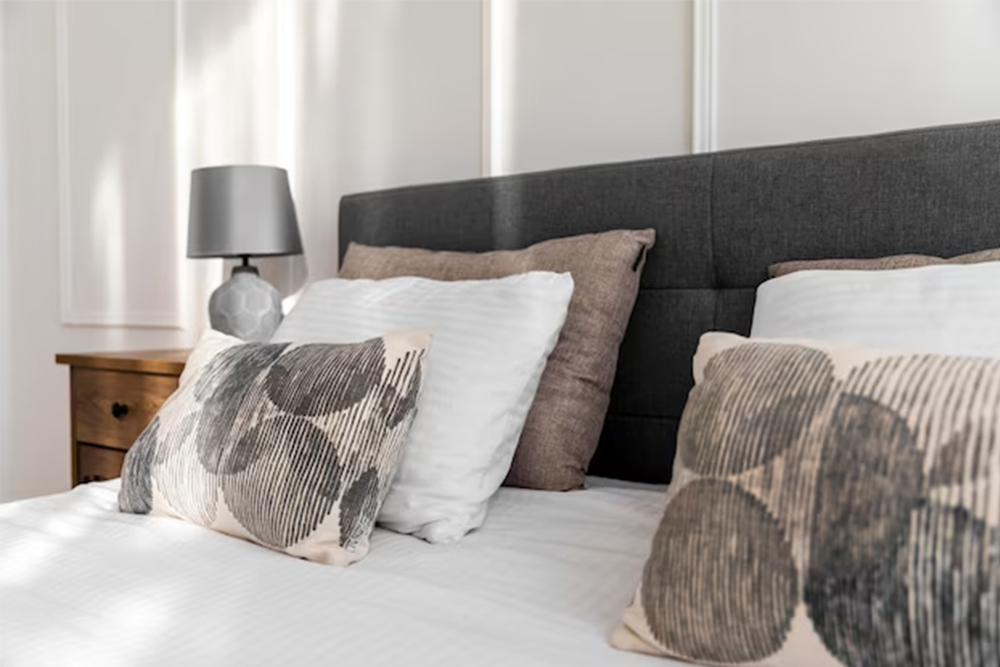
If you’re looking for where to order custom bedding online as a retailer, you want to find a reliable, high-quality bedding supplier. JHTHome is a leading manufacturer supplying businesses with custom bedding. Offering various bedding products, from mattress pads, toppers, underlays, under blankets, pillows, and quilts, JHTHome caters to your business needs. You can also serve your customers and meet their diverse needs if you own hotels. JHT commits to quality and customizes bedding to set your online retail business apart. I will guide you through the steps to ordering custom bedding online. Whether you’re a seasoned seller or starting custom bedding retail, you can be sure to learn a thing or two in this guide. What You Need from A Custom Bedding Supplier Custom bedding from JHTHome allows your business to offer personalized products to customers. Whether you’re a retailer or a hotelier, you want your customers to see your business as a solution to their problems. JHT specializes in home textiles, ensuring your business offers superior custom bedding to cater to customers’ needs. Even more incredible, JHT looks beyond aesthetics and supplies products that create a sleep environment tailored to a customer’s preference. JHTHome makes custom bedding like pillows with natural fabric and fill materials. They also use high-tech, innovative filling to make incredibly comfortable bedding products, setting your business on a success path. If you’re looking for a custom bedding supplier, ensure it supplies products offering personalized comfort for all customers. Custom Bedding Products for Retail Businesses JHT has a 20-person team to design and develop custom bedding and furnishing products that conform to the annual trends. The team conducts in-depth research and develops new technologies to help them make high-quality bedding for your business. Here are custom bedding products to stock in your business: Mattress and Pillow Protectors If your customers want to maintain the new condition of their mattresses, they should buy mattress and pillow protectors from your business. JHT designs protectors with woven fabric covers, which protect against allergens. The mattress protectors guarantee comfort as they enhance temperature regulation. JHT makes mattress encasements with cotton linen, a breathable fabric. Not only do the mattress and pillow protectors boast a premium look, but they also feel cool on the skin. Your customers will sleep soundly while their mattresses remain like new. Additionally, JHT makes protectors with polyester, Bamboo, and Tencel. Customers can choose waterproof or non-waterproof protectors. You can also buy these products in bulk if you’re a hotelier. Mattress Pads and Toppers Mattress pads protect your bedding from spills, stains, and potential wear. JHT makes these bedding products with woven or knitted fabric. Also, they treat the mattress pads against bacteria and make them moisture-regulating. JHT mattress pads can shield bedding from dust, mites, spills, and allergens. Customers have various pads to choose from: pads with woven fabric and knitted fabric. At the same time, JHT makes mattress toppers that serve the same function as pads. These bedding products boost the mattress height, thus improving cushioning and support. Customers will then get a good night’s sleep. The fabric is similar to what JHT offers in mattress pads. The company uses various fill materials such as Bamboo, which is highly breathable to keep your customers cool at night. You can source mattress pads and toppers from JHTHome. Pillows JHT also manufactures pillows that provide neck support to your customers. You can choose various pillows, including memory foam and latex pillows. First, JHT fiber-filled pillows comprise many fluffy polyester fibers that make them very comfortable. JHT understands that your customers may prefer to sleep on their backs, sides, and stomachs. That’s why they’ve made fiber-filled pillows to comfort back, side, and stomach sleepers. They have stuffed these pillows with hypoallergenic fillings to meet the needs of customers with various allergies. But more importantly, JHT fiber-filled pillows boast excellent temperature regulation. Fiber doesn’t retain as much heat as memory foam, helping your customers sleep much cooler. While latex pillows offer many benefits of fiber-filled pillows, they’re more durable than memory foam pillows. As such, these pillows retain their shape many years after their purchase. Besides, JHT develops and tests these pillows in CNAS-certified laboratories to ensure they withstand the test of time. Therefore, these pillows guarantee quality. JHTHome manufactures these pillows in bulk as they have ample production capacity. Their standardized, automated production lines also ensure you can keep up with massive orders from local and international customers. Quilts and Comforters JHTHome also manufactures quilts and comforters to add comfort while sleeping. I love how the company uses various materials to make these bedding products so that there’s something for every customer. Tencel is one of the materials JHT uses to make these bedding products. This is a proprietary material that makes quilts and comforters actively breathable. JHT quilts are also moisture-wicking to keep your customers dry. This makes JHT quilts and comforters ideal for hotels or customers in drier areas. JHTHome also has something for customers looking for anti-bacterial quilts and comforters. Graphene quits are an excellent choice for such customers. They’re also warmer and feature fiber and fabric filling. Wool is another incredible JHT quilt and comforter material. It serves customers looking for excellent moisture-wicking performance. It remains cool in summer and warm in winter. Whichever quilt or comforter you’re after, JHT makes these bedding products with airy, draping fabric. As a result, the quilts and comforters have excellent airflow to keep your customers comfortable throughout the night. Various filling materials go into making quilts and comforters. They include organic cotton and wool stitched in style into the quilts with the best machines. You can source these products from JHTHome and serve customers. Why JHTHome Is the Best Supplier of Custom Bedding JHTHome is a manufacturer that has produced custom bedding for over two decades, garnering the experience to stock your retail business with the best products. I’ve found out that these reasons make JHT tower above all custom bedding suppliers: Quality and Craftsmanship If you’re an online retailer, you want to depend on JHTHome for its capacity to supply a comprehensive range of custom bedding, such as mattress pads, toppers, quilts and comforters. Most importantly, JHT is a manufacturer committed to stocking your business with high-quality custom bedding. JHT has production plants with cutting-edge equipment and experienced staff to produce bedding products with unmatched quality and craftsmanship standards. Bedding Products Customization JHT understands your business may see customers with varied needs walking through its door. They offer customizable bedding products to meet the needs and demands of every customer fortunate enough to buy from your business. Reliability Founded in 2003, JHTHome has proved to stand with businesses, providing for their needs, for over two decades. It has streamlined its operations and boosted productivity to increase product quality. JHTHome is also an innovator. The company manufactures trendy and competitive home textiles. They have a professional team committed to researching the market and creating designs that bridge any market gap. The company can manufacture custom bedding to meet an order of any size. The ample production capacity is possible since JHT boasts standardized, automated product lines. These are some reasons why you want to opt for JHT for custom bedding. Conclusion Whether you’re a retailer or a hotelier, you will need custom bedding in bulk to sustain your business. JHTHome is a manufacturer that supplies businesses of all sorts with custom bedding products. The company manufactures high-quality and durable custom bedding products. You can contact JHT to fulfill your order.
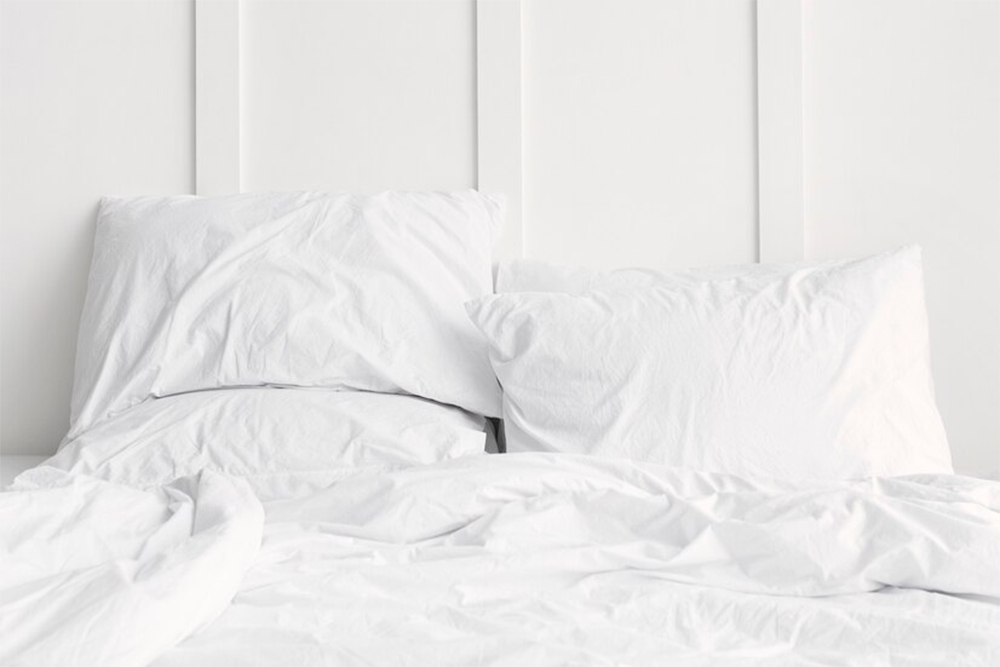
The challenges of finding a genuine wholesale white bedding manufacturer to source your products from are well known. They may include dealing with unscrupulous bedding manufacturers, sourcing sub-standard goods, or dealing with third-party bedding manufacturing companies. At the end of the day, such challenges result in inconsistent merchandise quality, late product shipping and delivery, and reduced profit margins. That’s why we curated this wholesale white bedding guide to help you avoid such costly outcomes that hurt your bottom line and reputation. It’ll highlight why white bedding materials are preferred, types of white bedding products from JHThome, why you should wholesale your white bedding from JHThome, and how to source your white bedding from JHThome. Let’s dig in! Why Source for White Bedding? As much as white bedding products are common in hotels and hospitals, it doesn’t mean that they aren’t a perfect fit for your home. Here are some of the reasons why you should consider sourcing for them: ● Easy to maintain- contrary to popular belief, white bedding is easy to maintain. All you need is a good bleaching agent and they’ll be as good as new. You no longer have to worry about your bedding fading or color bleeding. You can also revitalize them with laundry softeners and conditioners. ● They’re relaxing- it’s no secret that fresh white bedding has a relaxing effect on you. They’ll make you feel calm and comfortable because of their neutrality. ● They’re luxurious- white bedding is associated with some level of class and elegance due to the high need to maintain cleanliness. They can be your stepping stone to a luxurious lifestyle. Besides, it’s no surprise to see an all-white party of rich folk. ● White is a versatile color- the ability of white bedding to complement any home décor of your choice while maintaining your bed as the focal point is unmatched. Check out this awesome basic bedding catalog. ● They’re a cheaper and easier way of updating your bedroom- upgrading to white bedding will give your bedroom a fresh and new look. It amounts to saving on costs that you’d have used to remodel your bedroom. ● They aren’t gendered- bedroom feuds can easily arise due to the style and color of your bedroom décor. You can avoid this by upgrading to white bedding as it gives off both feminine and masculine vibes. You may be stumbling on how to find a supplier of wholesale white bedding products. JHThome is a top wholesale white bedding manufacturer in China that has your back. Contact us today and get free samples. What You Should Consider When Sourcing for a Wholesale Bedding Manufacturer Wholesale bedding manufacturers are upping their game to reap big, especially on the UK’s bedding market which is projected to surpass the $1.5 billion mark by the end of 2023. This leaves consumers in the spotlight when sourcing for wholesale white bedding products. Here are the things you should consider when choosing your wholesale white bedding manufacturer: Quality white bedding products As with any business, your white bedding business will grow when you offer quality products worthy of retaining and acquiring clients. You can ensure this by selecting white bedding products based on the following factors; ● Fiber content- good quality white bedding products are made from exceptional materials like cotton or a cotton blend, with an appropriate thread count and stitching. Egyptian cotton and Supima cotton are the preferred type of fiber, because of their superior softness and durability. You should be on the lookout for nursery bedding products that are made from hypoallergenic materials because of your child’s sensitive skin. ● Weight- the weight and thickness of bedding products affect their ability to maintain warmth and comfort, and last longer. For instance, sateen fabric has thin threads making it light and able to dry faster, while plain weaves are thicker, durable, and easy to iron. Such characteristics determine how you should use, treat, and wash your white bedding based on the surroundings. However, you should note that the quality of lightweight bedding products depends on the manufacturing process. ● Thread count- as part of the manufacturing process, thread count and yarn size play an important role in determining the quality of white bedding products. Good quality white bedding products use high-quality materials of a thread count of 300 to 800 fabric strips per square inch. The higher the count, the more durable and comfortable your white bedding gets. ● Finishing- the finishing of your wholesale white bedding products determines their durability and maintenance. White bedding products with reinforced edges or double-stitched seams are easy to use and last longer. ● Easy maintenance- when you’re sourcing for wholesale white bedding products like mattress toppers, ensure that they’re easy to maintain by considering treatment features like stain release, moisture regulation, and anti-bacterial effects. Variety and customization A successful wholesale bedding manufacturer supplies their products to multiple suppliers and vendors. Thus, they should offer a various products or customize them to meet their customer’s demands. This is done by offering various bedding products that can be customized to different textures, designs, colors, finishes, or materials. On-time delivery Selecting a manufacturer who offers shipping services ensures on-time delivery of your merchandise. Some manufacturers claim to offer free shipping of wholesale bedding to improve the customer’s shopping experience. You can confirm this by tracking their wholesale bedding reviews. Effective communication channels and customer support Reputable bulk bedding suppliers should communicate directly with their customers to avoid costly mistakes, save time, and ensure that the client’s special product requirements are met. Additionally, they should offer 24/7 customer support to address customer inquiries, complaints, or concerns. Their reviews showcase how active and effective their customer support unit is at addressing client concerns. Supplier reputation and capabilities The reputation and capabilities of your distributor are crucial to determining their turnaround time, manufacturing capacity, product quality, and on-time delivery. You can gauge their reputation and capabilities by looking out for the following; ● Customer reviews of wholesale bedding ● The quality of the sample products ● Recognized certificates of product quality, compliance, and innovation ● Manufacturing facilities and services offered Minimum order requirement and product cost Retailers must meet their customer’s requirements and the manufacturer’s minimum order requirement if they have any. This helps to facilitate the efficient manufacturing of bedding, their delivery, and pricing. Also, bulk bedding suppliers give you room to negotiate for an affordable product cost based on the scope of your white bedding order. Why Wholesale White Bedding From JHThome? Why wholesale white bedding from JHThome? JHThome is a leading wholesale white bedding manufacturer located in China. The company has almost 30+ years of expertise in home textile manufacturing, including wholesale white bedding supply. Here are some of our capabilities and achievements that’ll meet your reliability requirements; Warehousing and consolidation A warehouse facility JHThome has a one-stop warehousing and consolidation solution for all your supply chain management and logistics needs. The services offered at the spacious storage facility include the following; ● Electronic Data Interchange- EDI labels help in information optimization, improving transparency, efficiency, and traceability of retailer’s supply chain requirements. ● Consolidation- you can now source products from multiple vendors in China and JHThome will consolidate them to meet full container load delivery, instead of less than container load delivery. ● Pick&Pack- JHThome can be your trusted logistics company and ensure safe, secure, and on-time delivery of your wholesale white bedding products to your location. The warehousing and consolidation services are geared towards reducing total freight cost, achieving supply chain management efficiency and cost, and offering retail bedding vendors a seamless shopping experience. Product Sourcing JHThome’s global network and partnering capabilities ensure that products and materials are sourced from top-producing suppliers at competitive prices. The sourced products are of good quality and meet consumer requirements. Manufacturing facilities JHThome boasts of an impressive manufacturing facility with smart workshops housing state-of-the-art machinery to produce high-quality bedding and other textile products. The company can meet its delivery deadlines on time and ensure customer satisfaction by employing the power of advanced automation. Innovation and design The in-house design team at JHT is ready to help you with new product development. The team has expertise in pattern designs that are stitched, embroidered, knitted, woven, printed, and quilted depending on seasonal demands and the customer’s range of products. They’ve got an online design library to help in understanding customer demands, thus saving time and cost. The wholesale white bedding manufacturer also owns a couple of patents, which are a part of their innovative process. So, it can meet all your customization needs with ease. Quality management and sustainability JHThome implements an ISO9001 quality management system to ensure the delivery of high-quality white bedding products. It also conducts other quality management inspections including, an Incoming Quality Control before production and a Quality Control test on the finished product. The tests are done in their CNAS Accredited Labs to ensure precision and high-quality standards. Types of white bedding products from JHThome Retail bedding vendors who source their wholesale white bedding products from JHThome are assured of good quality bedding, on-time delivery, clear communication channels, a variety of customizable bedding products, and competitive pricing of their bedding products. Some of the wholesale white bedding products available from JHThome include the following; ● Nursery bedding collection- it includes baby changing cushions, baby bed linens, baby bed canopies, and baby nests. ● Mattress cover and pillow protectors ● Mattress cover pad ● Quilts and comforters ● Pillows Final say Finding a reputable wholesale white bedding manufacturer like JHThome, results in the timely delivery of high-quality products, a hassle-free shopping experience, competitive pricing of products, resource and time saving, and access to a wide variety of bedding products that are customizable to your specifications. Contact us today and get your free wholesale white bedding samples.
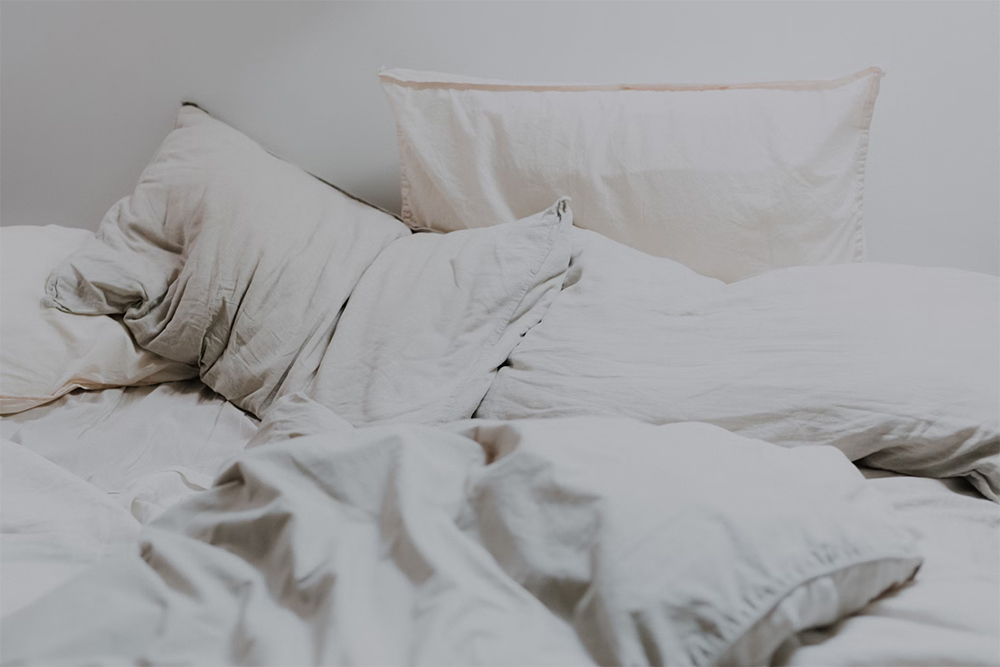
Pillows are essential for a comfortable and restful night's sleep. However, over time, people may notice that their once-pristine pillows are starting to turn yellow. This can be an unsightly and unwelcome change, especially when the pillow appears to be clean otherwise. The yellowing of pillows is actually due to various factors, all of which primarily involve the accumulation of moisture. Sweat, drool, wet hair, and even skincare products can contribute to the development of yellow stains on a pillow. As time passes, these stains can become more noticeable, raising concerns about the hygiene and cleanliness of one's sleeping environment. Understanding the causes behind this discoloration can help individuals take the necessary steps to maintain their pillows and ensure a clean and comfortable sleeping surface. While it may seem alarming, the yellowing of pillows is a common occurrence. By learning about the specific factors that lead to these stains, individuals can take preventive measures to slow down this process and keep their pillows looking fresh for as long as possible. The Basics of Pillow Discoloration Pillows often turn yellow due to a combination of factors. One primary reason is the presence of moisture from sweat, natural body oils, and drool during sleep. These fluids can seep through the pillowcase and eventually cause yellow stains on the pillow. It's important to note that some degree of sweating during sleep is normal as it helps regulate the body's temperature. However, excessive sweating can lead to more significant staining. To mitigate this process, you can use protective pillow covers or wash your pillows and pillowcases frequently. Another contributing factor is the use of hair products, cosmetics, oil-based serums, and moisturizers. These products can transfer onto your pillow when you sleep, leading to a build-up of residue over time. This residue can react with the pillow's material and create yellow discoloration. To prevent this, consider using lighter hair and skincare products or ensure your face and hair are thoroughly cleansed before bedtime. Additionally, wet hair can cause pillows to turn yellow. If you tend to shower before bed, make sure your hair is dry before laying your head down. Moisture from wet hair can cause a reaction with the pillow's filling, resulting in a yellowish appearance. Environmental factors such as humidity and air quality can also contribute to pillow discoloration. Keep your bedroom well-ventilated and clean to minimize the chances of pillow yellowing. To maintain the quality and appearance of your pillows, take measures to minimize contact with moisture, oils, and other substances that can cause yellowing. Regular cleaning and airing out your pillows, as well as using protective covers, are practical solutions for keeping your pillows fresh and white. Materials: What Makes up a Typical Pillow A typical pillow is composed of two primary parts: the outer casing and the inner filling. The outer casing is usually made from a fabric like cotton, polyester, or a blend of both. Cotton is a popular choice for its breathability and softness, while polyester is prized for its durability and affordability. Some higher-end pillowcases may also use materials like silk or bamboo. Inside the casing, the filling material determines the pillow's comfort and support qualities. There are various types of fillings that can be used, such as: ● Polyester fibers: Synthetic and hypoallergenic, polyester fibers provide a soft and affordable option for pillows. This type of filling is commonly found in budget-friendly pillows. ● Memory foam: Known for its ability to conform to the shape of the head and neck, memory foam offers personalized support. It is denser than polyester and tends to retain heat, making it an ideal choice for those who prefer a warmer sleeping environment. ● Feathers and down: A combination of soft down clusters and resilient feathers provides a luxurious feel and excellent support. These natural fillings are often found in high-quality pillows. ● Buckwheat hulls: Natural, supportive, and breathable, buckwheat hull pillows have gained popularity recently. They provide firm support and are an eco-friendly option. Each type of filling has its advantages and drawbacks, making it essential to consider personal preferences and sleeping habits when selecting a pillow. Biological Factors Leading to Yellowing One of the primary reasons why pillows turn yellow is due to the user's sweat. As we sleep, our bodies naturally produce a certain amount of sweat, which helps regulate temperature. With time, this sweat can leak through the pillowcase and result in yellow stains on the pillow. Another common cause of yellowing on pillows is the presence of natural body oils. Our skin secretes oils to maintain moisture levels, and these oils can be transferred to the pillow through contact with our skin. As moisture and oils accumulate, it can lead to the development of yellow stains on the pillow. Additionally, drooling can also contribute to the yellowing of pillows. While we sleep, saliva can leak out from our mouths and seep into the pillow. Over time, this moisture can cause a yellow discoloration on the pillow's surface. In summary, various biological factors such as sweat, natural body oils, and drooling can cause pillows to turn yellow. Regular cleaning and maintenance of pillows is essential to prevent the accumulation of these factors and maintain the pillow's freshness and appearance. External Factors Causing Discoloration Environmental Influences Climate and surroundings play a significant role in causing pillow discoloration. Sweat, natural body oils, and drool are common factors contributing to the yellowing of pillows. High humidity levels can also exacerbate the problem by trapping moisture inside the pillow, creating an ideal environment for mold and mildew growth. Wet hair can be another environmental factor affecting pillow discoloration. As mentioned by the Sleep Foundation, going to bed with wet or damp hair can cause the moisture to seep into your pillowcase, resulting in yellow stains. Cleaning and Maintenance Issues Proper cleaning and maintenance are essential to prevent pillow discoloration. Using the wrong cleaning methods or neglecting to clean your pillows regularly can lead to the buildup of dirt, oil, and other substances that cause yellowing. Using harsh chemicals or bleach during the cleaning process can further damage the fabric and contribute to discoloration. It is essential to follow the manufacturer's care instructions and use gentle, yet effective, cleaning solutions. Here are some tips for proper pillow maintenance: ● Wash pillowcases and protectors regularly ● Air out pillows to reduce moisture and freshen them ● Replace pillows every 1-2 years, depending on their quality and material Following the simple advice mentioned above can help prevent and control pillow discoloration, ensuring a cleaner and healthier sleep environment. Prevention and Solutions Preventing yellow stains on your pillows is much easier than trying to remove them. Here, we will explore the right selection of pillow materials and effective cleaning techniques that can help prevent and tackle yellow stains on pillows. Right Selection of Pillow Materials One of the key factors in preventing yellow stains is choosing the right pillow material. Some materials absorb moisture and oils more readily than others. Look for pillows made from materials that are less likely to retain moisture, such as memory foam, latex, or synthetic fibers. Additionally, consider using pillow protectors and pillowcases made from breathable, moisture-wicking fabrics like bamboo, Tencel, or microfiber. These materials can help absorb moisture and oils before they reach the pillow, reducing the chances of yellow stains forming. Effective Cleaning Techniques Maintaining a regular cleaning routine can be helpful in keeping your pillows fresh and free of yellow stains. Here are some recommended cleaning techniques: ● Regularly wash your pillowcases: Wash your pillowcases at least once a week to remove sweat, oils, and other contaminants before they seep into the pillow. ● Use pillow protectors: Pillow protectors act as a barrier between your pillow and its external environment. They can be easily removed and washed, protecting your pillow from direct exposure to moisture, oils, and other substances that can cause yellowing. ● Spot cleaning: If you notice a stain on your pillow, spot clean the area immediately using a mild detergent and warm water. This can help prevent the stain from setting in and becoming harder to remove later. ● Regularly clean your pillows: Every few months, wash your entire pillow following the manufacturer's instructions. If your pillow is not machine-washable, consider taking it to a professional cleaner to prolong its lifespan and keep it free of yellow stains. By selecting the right pillow materials and following effective cleaning techniques, you can prevent yellow stains from forming and maintain a clean, comfortable sleep environment.

Duvet covers are versatile and practical additions to the bedroom, providing both a decorative element and protection for the bedding inside. These large fabric bags can be filled with various materials that offer different levels of warmth, ultimately making the bed cozier and more comfortable. But what exactly goes inside a duvet cover? The most common filling option for duvet covers is a duvet insert, which can be made with down feathers or synthetic fibers like polyester, wool, and silk. These inserts provide the perfect balance of warmth, weight, and softness, making them a popular choice for those who seek a comfortable night's sleep. Another option to consider is using other types of bedding, such as comforters, quilts, or blankets, depending on personal preference and desired warmth. Filling a duvet cover involves aligning the corners of the insert with those of the cover, shaking the duvet to evenly distribute the filling, smoothing out any wrinkles, and fastening the ties or buttons to keep the insert in place. By understanding the variety of materials that can be used inside a duvet cover, individuals can customize their bedding to suit their preferences and needs, ensuring a restful and enjoyable sleep experience. What is a Duvet Cover A duvet cover is a protective fabric casing designed to enclose a duvet insert, which is typically filled with materials like down, feathers, or synthetic fibers. The purpose of a duvet cover is to protect the duvet insert from dirt, dust, and damage, while also providing an easy-to-wash layer for maintaining cleanliness in your bedding. Duvet covers come in various materials, designs, and colors, allowing versatility in bedroom aesthetics. Duvet covers typically feature button closures, zippers, or snaps along their edges to keep the insert secure inside. Some models may also have interior loops or tabs that attach to the duvet insert to prevent it from shifting or bunching up during use. One of the main advantages of using a duvet cover is the option for easy customization, as changing the cover can instantly transform the look of your bedroom. When selecting a duvet cover, it is essential to consider factors such as material, size, and maintenance. Materials can range from cotton, linen, or flannel, to silk or synthetic options, offering different benefits and comfort levels depending on the user's preferences. Matching the dimensions of the duvet cover to the existing insert is crucial to ensure a proper fit. Lastly, opt for a duvet cover with easy care instructions for hassle-free cleaning and longevity. In summary, a duvet cover is an essential component of modern bedding, offering both functionality and aesthetic appeal. With numerous options available in terms of design, material, and features, finding the perfect duvet cover to suit individual needs and preferences is a breeze. Primary Contents of a Duvet Cover A duvet cover serves as a protective layer for the duvet insert, which is the actual source of warmth and coziness. The materials within the duvet insert can be derived from a variety of sources, each with their own unique properties. In this section, we will explore the different materials often found inside a duvet cover. Feather Material Feather-filled duvets use the soft, fluffy down feathers found on ducks and geese. These feathers provide excellent insulation, trapping in heat and keeping sleepers warm throughout the night. They are also lightweight and breathable, allowing for a comfortable sleep experience. Down feathers are a popular choice for duvet fillings due to their luxurious feel and effective insulation properties.. Synthetic Material Synthetic-filled duvets utilize man-made materials, such as polyester or microfiber, to provide warmth and insulation. These materials are hypoallergenic, making them a great alternative for those with sensitivities to natural materials. They are also typically more affordable than down or other natural materials, providing an accessible option for those on a budget. However, synthetic materials may not provide the same level of breathability as natural options. Silk Material Silk is a luxurious, natural fiber obtained from the cocoons of silkworms. When used as a duvet filling, silk provides a lightweight, breathable, and naturally hypoallergenic option. Silk duvets can effectively regulate temperature, keeping sleepers cool during warm nights and warm during cooler nights. However, silk materials often come with a higher price tag compared to other materials. Cotton Material Cotton is a versatile natural fiber that is widely used in bedding. As a duvet filling, it provides a breathable and comfortable option for sleepers. Cotton absorbs moisture well, ensuring a dry and pleasant sleep environment. It is also a more affordable option compared to silk or down materials and is often easier to maintain, as it can be machine-washed without losing its shape or insulation properties. Wool Material Wool is a natural fiber obtained from sheep, offering excellent insulation and moisture-wicking properties. When used as duvet filling, wool provides a warm, comfortable option that is also naturally hypoallergenic. Wool-filled duvets can regulate temperature well, ensuring sleepers remain comfortable throughout the night. They may be more expensive than synthetic materials like polyester, but can be a worthwhile investment for those seeking a natural alternative with effective insulation properties. Components of a Duvet Cover Outer Shell The outer shell of a duvet cover is the first layer that comes into contact with the user. It is essential that this layer is made from a comfortable and breathable material. Common materials for the outer shell of duvet covers include cotton, linen, flannel, and cashmere. Cotton and linen are often chosen for their breathability and suitability for warm weather, while flannel and cashmere provide extra warmth in colder months. Internal Enclosure The internal enclosure of a duvet cover is the area that houses the duvet insert. A duvet insert is a thick, cushy blanket that sits inside the duvet cover, providing warmth and insulation. The duvet insert can be filled with various materials such as down, feathers, synthetic fibers, or fleece. The choice of filling material depends on personal preference and the desired level of warmth. Ties and Zippers Ties and zippers are used to secure the duvet insert inside the duvet cover. They ensure that the insert remains in place and does not shift around during use. Ties, usually located at the corners or along the sides of the duvet cover, can be connected directly to loops or ties on the corresponding edges of the duvet insert. Zippers, on the other hand, enable the user to close and open the duvet cover easily, making it more convenient to change the insert when needed. Seams and Stitching Seams and stitching contribute significantly to the durability and longevity of a duvet cover. High-quality duvet covers have reinforced seams and expert stitching to withstand frequent use and washing. Stitching patterns such as box, channel, or diamond quilting can also help distribute the filling material evenly throughout the duvet insert, preventing clumping and ensuring consistent warmth across the entire surface. Difference between a Duvet and a Comforter A duvet and a comforter are both popular choices for the top layer of bedding, but they have some key differences. A duvet is a soft, fluffy insert that is typically filled with down or synthetic fibers. It is designed to be placed inside a separate, removable cover called a duvet cover. The duvet cover acts as a protective shell and can be easily removed and washed when needed. On the other hand, a comforter is a stand-alone piece of bedding that does not require a separate cover. Comforters are usually thicker and flatter than duvets and are often quilted or stitched to keep the filling evenly distributed. They may come in a variety of materials, including down, down alternative, and cotton, among others. When it comes to warmth and insulation, both duvets and comforters can provide a cozy sleeping experience. However, duvets tend to be warmer due to their ability to trap heat within the insert and cover. This makes them a better option for people who tend to get cold during the night or live in colder climates. In contrast, comforters can offer a more moderate level of warmth, making them suitable for those who prefer a cooler sleeping environment or live in warmer climates. One of the main advantages of a duvet is its versatility. Since the duvet cover can be easily changed, you can update the look of your bedroom without having to invest in a new duvet or comforter. Additionally, this means it is easier to keep your bedding clean and hygienic, as the cover can be washed more frequently than an entire comforter. On the other hand, comforters require less maintenance, as they don't involve the use of a separate cover. This can be a convenient option for people who don't want to deal with the hassle of regularly switching and washing duvet covers. However, this also means that comforters may need to be replaced more frequently, as they can show signs of wear and tear faster than a duvet and cover combination. The choice between a duvet and a comforter largely depends on personal preference, climate, and maintenance requirements. Both options provide warmth and comfort during sleep but differ in their structure, versatility, and upkeep. Types of Duvet Covers Duvet covers come in various sizes to accommodate different bed sizes. In this section, we'll discuss the most common types of duvet covers: Single, Double, King Size, and Super King Size. Single Duvet Covers Single duvet covers are designed for single beds, which typically measure around 90cm x 190cm (35" x 75"). These covers are perfect for children's rooms, guest rooms, or small bedrooms. They come in a variety of materials, such as cotton, linen, or polyester, and offer various styles and patterns to suit your decor preference. Double Duvet Covers Double duvet covers are made for double beds, which generally measure about 135cm x 190cm (53" x 75"). These duvet covers are ideal for standard-sized bedrooms, providing ample coverage without being too overwhelming. Like single duvet covers, double duvet covers come in a multitude of materials and designs to personalize your bedroom style. King Size Duvet Covers King Size duvet covers cater to larger beds, with dimensions typically around 150cm x 200cm (59" x 79"). These covers provide extra comfort and coverage for those with a king size bed. They are available in various materials, such as organic cotton and microfiber, and come in various colors and patterns to suit different tastes. Super King Size Duvet Covers Super King Size duvet covers are designed for the largest bed sizes, typically measuring around 180cm x 200cm (71" x 79"). These expansive covers offer maximum coverage and comfort for those with spacious bedrooms and prefer larger beds. As with other duvet cover sizes, Super King Size covers come in diverse materials and designs to match your bedroom decor. Duvet Cover Maintenance Washing and Drying To keep your duvet cover fresh and clean, it's important to follow the proper washing and drying steps. First, remove the duvet cover from your bed and check the care label for specific instructions. Most duvet covers can be machine washed using cold or warm water with a gentle detergent. If your cover has any embellishments or delicate fabric, consider using a mesh laundry bag to protect it. When drying your duvet cover, use the gentle heat setting on your dryer. It's essential to give the cover a good shake and air it out for around 24 hours before placing it back on the bed. This step ensures that all sections of the duvet cover are completely dry and free of damp spots. Ironing If your duvet cover is prone to wrinkles, ironing will help maintain a crisp appearance. Begin by turning the cover inside out and using a low heat setting on your iron. Always iron the cover on a clean, hard surface, such as an ironing board, and press gently to remove any creases. Remember to test a small, inconspicuous area of the fabric before ironing the entire cover to avoid damaging the fabric. Professional Cleaning While most duvet covers can be easily maintained at home, some materials and designs may require professional cleaning. If your cover features delicate fabrics or intricate detailing, consider taking it to a professional cleaner to ensure its longevity. A well-maintained duvet cover can last for years, providing comfort and style to your bedding ensemble. By following proper care guidelines, including washing, drying, ironing, and professional cleaning when needed, you can keep your duvet cover looking great and functioning optimally.

One of the best experiences in 5-star hotels is the cozy feeling you get when you sink into the soft, luxurious beds. These bedding products provide the best restful sleep of your life. And one of the most sought after bedding products comes from Hotel Collection. However, Hotel Collection is not the manufacturer. Where is the manufacturer of Hotel Collection bedding? The Hotel Collection is an Australian luxury bedding brand that offers high-quality bedding products. However, the secret to the comfort of their products lies in the extremely soft bedding that is sourced from JHT. JHT is the ultimate manufacturer for them and for several other high-end housewares brands. The company is a leading textile manufacturer that supplies raw materials and finished products all over the world. JHT’s huge production facility in Wuxi, Jiangsu China, covers more than 100,000 square metres. It includes smart workshops, automated equipment and highly professional staff responsible for the quality of home textile products. Design Process JHT has a professional team that takes care of the design of its products. The team prepares thousands of floral, organic, symmetrical and irregular patterns that are very attractive to all people. These patterns are printed, embroidered, woven, knitted or quilted and can even be customized. JHT maintains a library of all past designs, and if you place a bulk order, you can also choose from older catalogs. Check out our catalogs here In addition, JHT also offers packaging design. When your products are on store shelves, the packaging is just as important as the material itself. JHT’s professional, high-quality designs give your customers a sense of luxury and value. And if you sell online, you can use JHT’s photography services to have finished product photos taken in a professional studio setting. Sustainability What makes JHT better than others is the environmentally friendly measures implemented throughout the production cycle. Electricity at their Jiangsu plant is generated using photovoltaic panels. The solar panels generate nearly 2.2 million KWH per year. This saves 694 tons of coal and reduces 1730 tons of carbon emissions! In JHT’s office buildings and staff quarters, LED lights are used to save energy. Employees are also trained in energy-saving techniques. But JHT's environmental responsibility doesn't end with energy savings. They have integrated an advanced Danish waste collection system that efficiently recycles production waste. The end result? Production waste is processed into filling fibers for various purposes. This significantly reduces the amount of waste that ends up in landfills Chemical management is another notable aspect of JHT's operations. The company strictly adheres to OEKO-TEX® STANDARD 100 to ensure that its products are free of harmful substances. In addition, JHT has incorporated the use of sustainable materials, including natural, recycled and biodegradable options, into its manufacturing process. JHT also focuses on environmentally friendly packaging solutions using reduced, recycled and biodegradable materials. This comprehensive commitment to sustainability goes hand in hand with premium quality. Some of JHT’s Product Offerings JHT sets high standards in bedding products and has an extensive range of products, from mattress pads to quilts. The material selection is equally diverse, ranging from cotton and bamboo to Tencel and high-tech synthetics. JHT’s offerings aren’t just about comfort, they're the epitome of quality. With a robust research and development department and state-of-the-art facilities, JHT is constantly at the forefront of home textile innovation offering smart choices for all kinds of consumers. JHT collaborates with iconic brands like Disney and Lego, bringing a touch of magic and fun to its bedding range. From bedding to accessories, JHT’s collection is a feast for the senses, offering styles, textures and colors for every taste. The comforter covers alone, with their exquisite techniques - such as pin sonic, waffle and jacquard - add a touch of elegance to any bedroom. Below are some of the points that highlight their vast offerings. Variety of materials: you can choose between natural fibers like cotton and cutting-edge materials like Tencel. Special Treatments: Mattress toppers have advanced features like antibacterial and moisture management properties. Pillow variety: whether you prefer fiber pillows, memory foam or latex, there is something for everyone. Collaborations: Co-branded products with popular brands like Disney and Universal. Material Mastery: Sheet options include luxurious cotton sateen and sustainable bamboo. Pair that with temperature-regulating comforters and versatile accessories for a comprehensive offering that combines luxury and practicality. And let’s not forget the kids: JHT’s licensed textiles bring childhood dreams to life with colorful prints and characters. All in all, JHT is the first address when it comes to comfort, quality and a touch of whimsy. Frequently asked questions What makes the beds in 5-star hotels so luxurious? 5-star hotels use pillows and mattress pads with more filling, making them feel much more comfortable. So you can “sink” into the bed! What is special about JHT bed covers compared to other manufacturers? JHT stands out from other manufacturers by offering a variety of processing techniques for their comforter covers, such as pin sonic, quilting, waffle and jacquard. This variety allows for a new experience in bedroom aesthetics and adapts to different personal styles and preferences. What materials does JHT use for its bedding collection? JHT is committed to both luxury and sustainability. The bedding collection includes a range of materials such as cotton sateen, flannel, linen, bamboo and Tencel. This allows customers to choose products that not only feel luxurious, but also match their eco-friendly values. Does JHT offer products that are suitable for children or themed rooms? Absolutely! JHT partners with well-known brands like Disney, Lego, and Universal to offer co-branded licensed home furnishings. These products are printed with iconic cartoon themes and characters and are perfect for creating vibrant themed rooms that kids will love. For other details and product choices visit our homepage.

Bedding accessories sales have seen a steady rise in recent years. Selling bedding sets, comforters, and linens offers an advantage because as children grow, their linens need updating, resulting in ongoing sales. Moreover, people change their home's look more frequently than their mattresses—typically every 6 months to 5 years. Simple decor changes, like painting walls, create the demand for new linens. Marketing to this audience can be seamless, as those interested in home decor are often ideal customers. That said, are you looking for the perfect bedding supplier? Let’s face it, securing a bedding supplier for your business can be quite challenging. Since this partnership is pivotal to the success of your venture, precision is key. When entering such a collaboration, numerous factors merit attention, including trustworthiness and a consistent supply of quality bedding. In this article, we shall delve into the fundamental steps for finding the ideal bedding supplier for your business—one that harmonizes seamlessly with your preferences. Understand wholesale as a Business Understand that wholesalers come in various types, each with distinct distribution channels in the retail chain. This chain begins with manufacturers, involving importers, distributors, regional wholesalers, and brokers. Knowing your position in this chain is vital. As your sales volume grows, you can ascend, securing better wholesale volumes and more favorable rates. Engage with fellow industry members in conversations Sharing insights and experiences can lead to valuable recommendations and partnerships. If you have connections with local retailers, pay them a visit and scope out their offerings. Their stock and popular items can guide your product choices. Chat them up to learn about their stock sources and gather bedding manufacturer and supplier suggestions. Consider joining top groups and forums in the industry In the retail world, fellow business owners are your goldmine for insights on bedding suppliers. Joining these groups and forums can help expand your network and help you find reliable suppliers. Plus, building lasting relationships with businesses in your industry can bring unexpected but valuable perks to your business. But trust takes time, so network and nurture those industry relationships. Harness professional directories and online research to your advantage in your quest for reliable suppliers Explore industry directories or listings online, even if not all suppliers have current websites. These sources often house a plethora of manufacturer and wholesaler listings. Your task is to refine your search. Google is another valuable resource for locating wholesalers. Be diligent, try different keywords, and you'll zero in on what you need. Contact Suppliers With your list of potential bedding suppliers in hand, it's time to reach out. To make these interactions fruitful, consider asking these key questions: ● What's your minimum order requirement? ● What are your wholesale unit prices? ● Which regions do you supply? Initiate contact via phone or email, then follow up for more details or to proceed. Honesty about your needs is crucial; don't exaggerate your size or requirements to find the best fit for your business. Quality Products This goes without saying. Make sure that their products meet your quality standards. Earning your customers' trust hinges on product quality. Your bedding supplier should excel in this aspect. Experts often recommend quality over quantity, especially for budding entrepreneurs. It's the key to customer satisfaction. Rely on trusted wholesale bedding suppliers to ensure your inventory is well-stocked with top-notch products. Quality is paramount in this line of business. At JHT Home, we boast a rigorous quality control system and comply with industry standards and regulations. We wholeheartedly back our products, ensuring they're devoid of any flaws due to design, materials, or craftsmanship. Pricing In the bedding business, pricing matters. Ensure you explore a list of top bedding suppliers to secure high-quality beddings at competitive rates. Keeping your business on the right track involves placing bulk orders for premium beddings at highly affordable prices. Price and quality go hand in hand. Variety of Designs Seek suppliers with a vast array of designs. Setting your business apart requires more than just price and quality—it hinges on offering a wide variety of designs that catch the eye. Stand out from the crowd with diversity. JHT Home offers an extensive bedding product range. To ensure your business thrives, seek out similar suppliers that provide a variety of bedding products. The success of your business lies in partnering with the right sources. Products You Want Identify your customers' favorite products and confirm your supplier can meet the demand for these items. Inquire about minimum order requirements. If your business requires substantial inventory, ensure they can handle large-scale orders. Remember, when in the hunt for a bedding supplier, clarity on your requirements is key. Do you seek custom product branding or supply of existing brands? Suppliers vary—some are manufacturers, while others offer existing products. At JHT Home, we're flexible, ready to collaborate on tailored solutions to suit your business. Is Your Supplier Sustainable and Ethical? Find out about the environmental commitment and workplace conditions of your bedding supplier. Are they affiliated with industry organizations? Do they uphold ethical manufacturing standards? You also need to understand their supply chain sourcing practices. Asking these types of questions helps unveil the sustainability efforts of your supplier. Dependable and On-Time Is your supplier dependable and on-time? Recent global events underscore how disruptions anywhere can impact global manufacturing and supply chains. Verify your suppliers have contingency plans for supply disruptions. Inquire about their manufacturing lead times to gauge their preparedness. Final Words Finding the perfect supplier for your bedding needs, especially in the bustling marketplace of today can be a little overwhelming to say the least. However, fret not, as there exist reputable providers like JHT Home ready to help navigate your journey toward the perfect sheets, duvets, and more. JHT Home, our dedication to industry leadership aligns with your values and target audience. If you're interested in partnering, reach out to our team for details on how we can fulfill your requirements.

Pillows may seem simple in design, but they play a pivotal role in our daily lives. While pillows serve people seeking comfort at home, they also come in handy for business owners looking to outfit their hotel rooms. Even retailers will stock their shelves with pillows to make profits. Regardless of what you need pillows for, you want to ask yourself: where to wholesale pillows? Leading pillow manufacturers like JHT can source pillows for your business if you want wholesale pillow suppliers. This article will help you discover how to source pillows from leading manufacturers if you are a retailer. I will explore what to look for when seeking pillow suppliers for businesses. So, read on for more information. Why You Need Wholesale Pillows for Business If you own a business like a hotel or resort or are a retailer, you understand that pillows can create a comfortable and inviting environment for customers. That makes them essential for your hotel business, for example. Bulk pillow purchasing can help your business stay afloat because of these reasons: ● Cost-Saving Finding wholesale pillow vendors is cost-saving because you will buy at significantly discounted prices. The result of bulk buying is a lower cost per unit. ● Customization Options Pillow distributors like JHT provide customization options. They tailor pillows according to your customer’s specific needs. For example, JHT makes pillows that provide comfort and support. They do this by using the softest and highest-quality fibers and fillings. Besides fiber-filled pillows, JHT offers memory foam and latex pillows for incredible support for restful nights. Pillow options have their benefits. Whichever benefit your customers want from pillows, they can get a pillow customized for them. And you can buy the pillows in bulk to cater to the needs of every customer. ● Consistent Quality Pillow manufacturers for wholesale retailers subject their products to consistent production processes, resulting in pillows boasting consistent quality. When you buy pillows in bulk from the same manufacturer, your business will retail consistently high-quality pillows. Here Is What to Look for When Sourcing Wholesale Pillows Sourcing affordable wholesale pillows isn’t about picking the first supplier that comes your way. You will need incredibly written pillow sourcing tips to separate a reputable manufacturer and supplier from the rest of the pack. Here are crucial factors to get the best deals on wholesale pillows: ● Quality and Materials Quality is one factor you don’t want to downplay when exploring the wholesale pillow market. Check if the wholesale pillow supplier uses high-quality materials to make pillows. Manufacturers like JHT use the finest, most luxurious materials to make pillows. At the same time, some latex pillow suppliers offer pillows with Dunlop and Talalay quality. Also, quality comes from a series of tests to make the product pass the set industry standards. If a pillow supplier subjects its products to these tests and uses the highest quality materials, you can rely on it for quality wholesale pillows. Additionally, look for certifications because they speak of the quality and materials used to make your pillows. Companies like JHT have various system certifications, including ISO 9001/14001, for exceptional pillow quality produced while observing environmental management. The results of observing the environment are Eco-friendly wholesale pillows. Your pillows sourced from certified manufacturers will boast high-quality construction. Therefore, check the quality and material before placing pillow bulk orders. ● Price and Discounts You also want to check the wholesale pillow prices when sourcing products for your business. And that’s because cost-savings are a significant driver for businesses seeking bulk pillow procurement. However, you want to balance price affordability with quality. You want to find high-quality pillows at discounted prices to maximize profits. JHT balances prices with quality for your business to retain its reputation for high-quality products. While their pillows are affordable, they craft merchandise from high-quality materials like PCM Thermal-regulating fabric to make pillows that balance warm and cool temperatures for a comfortable sleeping experience. Chopped memory foam also makes incredible pillows since it conforms to your head’s movements, providing support. If a pillow supplier makes merchandise from high-quality materials and offers great discounts on wholesale procurement, it’s a good supplier to get your merchandise from; you will compete favorably against next-door competitors. ● Minimum Order Quantities You also want to check the minimum order requirement. Companies have varying minimum order quantities. Some companies allow businesses to make a 10-minimum pillow procurement. At the same time, some companies have a pillow supply chain of 100 pillows minimum. JHT is one company that offers flexibility according to your business storage capacity. That makes it the go-to pillow supplier, especially for businesses in their infancy. What’s more impressive is that JHT has incredible pillow inventory management to support orders of any size. ● Customization Options A business that understands your business is essential. Your pillow retail business may aim to cater to customers with specific needs. Even if you own a hotel, your business may see customers with special needs coming through its door. For that reason, you want to source pillows from a company with plenty of customization options. You want a pillow supplier who can make pillows according to your specifications. JHT has modern facilities with equipment to match to provide the pillows your business needs. They also have an engineering team working in their facilities to design and develop pillows and other merchandise for businesses. From fiber-filled to latex pillows, you can find pillows that meet your customers’ needs at JHT. Therefore, look for customizable wholesale pillows for your business. ● Shipping and Logistics Lastly, check the shipping and logistics in a pillow buying guide. More precisely, you want to look at the available pillow import/export options. Pillow suppliers ship merchandise at a cost. That makes the cost one of the things to consider first. Additionally, you want to see if your preferred pillow supplier can handle your order size. JHT is a pillow supplier with an incredible shipping and logistics department because of its robust sourcing team. They provide clear shipping terms and options for your business’s specific requirements. EDI labeling at JHT makes the supply chain efficient. After placing your order, JHT optimizes order information for traceability and transparency. Based on the information provided, JHT picks and packs the ordered pillows. Besides shipping pillows across the globe, JHT keeps an eye on pillow trends in wholesale retail to provide merchandise that conforms to trending styles. You want to settle on a company with incredible shipping and logistics to get the merchandise on time. JHT Wholesale Pillow Suppliers After knowing what to look for in a pillow supplier, you want to select the best options. JHT may be the best option for your business for a few reasons: ● Comprehensive Certification JHT boasts a range of system certifications, making it a trustworthy pillow supplier. They have an ISO 9001/14001 certification for producing high-quality, eco-friendly pillows. So, if you’re looking at product quality and materials used, you will rest easy knowing your business will retail standard products. ● Large-Scale Supply Chain Besides producing pillows with Oeko-Tex Standard 100 certification, JHT has a manufacturing facility covering an impressive 70,000 square meters of space. What’s more impressive is the facility has cutting-edge machinery imported from Europe and North America. Since the automated machinery produces more quality products daily, JHT can stock your shelves if you’re looking for large-scale procurement. It will keep up with the demand of supply from your business. Therefore, JHT is a go-to pillow supplier. ● Global Shipping At the same time, JHT has a shipping and logistics department to stock your shelves wherever your business is. Their global sourcing also makes businesses dealing in dinnerware, kitchenware, and bathware. These are products your hotel business may also need. JHT ensures businesses have a wider selection of products delivered wherever they are. This makes JHT a worthy supplier for top wholesale pillow procurement. Conclusion If you’re looking for where to wholesale pillows, you want to look for a company that supplies high-quality pillows. The material quality plays a pivotal role in the final product quality. As such, you want to pay particular attention to the quality and materials used. Additionally, you want to check price affordability to increase profits. JHT offers high-quality pillows. Its global sourcing makes your business flourish anywhere and establishes itself as a leading seller of high-quality pillows. Therefore, JHT is where to wholesale pillows.