

The Global Organic Textile Standard (GOTS) is one of the foremost textile processing standards for organic fibers and textiles, from the harvesting of raw materials to environmentally and socially responsible manufacturing up to the final labeling. According to the document from JHT Homewares, a Chinese textile manufacturer, textiles can have significant environmental impacts. Issues like greenhouse gas emissions, water pollution from dyes and chemicals, and textile waste ending up in landfills are major problems. This standard was developed by leading standard-setting organizations to provide credible assurance to end consumers while promoting the growth of organic textiles worldwide. GOTS includes stringent criteria for every stage of the textile supply chain, such as the prohibition of toxic and harmful chemicals, implementation of water treatment plants, and adherence to social criteria regarding workers' rights and fair wages. For a company like JHT Homewares, obtaining GOTS certification enables them to produce textiles sustainably while reassuring buyers that their products meet top social and environmental standards. As JHT states, collaborating across the industry is key to building a responsible supply chain and protecting the planet for the future. The adoption of standards like GOTS is an important step on this journey. Overview of Global Organic Textile Standard Definition The Global Organic Textile Standard (GOTS) is a leading international standard for processing textiles made from organic fibers. The standard includes ecological and social criteria, aiming to provide a comprehensive set of guidelines for every stage of the textile supply chain, ranging from harvesting to manufacturing and labeling. Purpose GOTS' primary goal is to ensure the organic status of textiles and assure consumers of an ethically produced and environmentally friendly product. The standard facilitates responsible and sustainable manufacturing practices by encompassing the following points: ● Ecological Criteria: GOTS promotes the use of organic raw materials and limits the application of harmful chemicals during production. ● Social Criteria: The standard ensures fair labor conditions and compliance with key international labor rights. ● Certification: GOTS requires independent certification of the entire textile supply chain, ensuring transparency and credibility. History Developed by leading standard-setters in the textile industry, the GOTS was established to create a globally recognized set of requirements for organic textiles. It aimed to harmonize various international standards into one and provide clear guidance for manufacturers and consumers in a rapidly growing market. Since its inception, the GOTS has undergone several revisions, with the latest version (Version 6.0) released in March 2020. These revisions have allowed the standard to adapt and remain relevant in the ever-changing landscape of the textile industry. Certification Process Criteria The Global Organic Textile Standard (GOTS) has a comprehensive set of criteria for certifying textiles. The criteria cover the entire supply chain, from the harvesting of raw materials to the final labeling of the products. Environmental and socially responsible manufacturing practices are also included in the criteria. The GOTS ensures that textiles certified under this standard provide credible assurance to the consumers regarding their organic nature. Steps 1. Application: Textile processing, manufacturing, and trading entities can apply for GOTS certification. 2. Preparation: The applicant must ensure that their operation complies with the GOTS criteria and must be able to provide evidence of compliance. 3. Inspection: Upon application, an independent certification body will conduct a thorough inspection to verify that the applicant's product and operations meet the GOTS standards. 4. Certification: If the certification body finds that the applicant meets all GOTS requirements, it will issue a formal GOTS certification, which attests to the product's compliance with the standard. GOTS Labeling The Global Organic Textile Standard (GOTS) is a globally recognized standard for organic textiles, ensuring their organic status from raw materials to environmentally and socially responsible manufacturing and labeling. In this section, we will discuss the labeling aspect of GOTS certification, focusing on label categories and labeling requirements. Label Categories 1. GOTS Goods: Products that meet the standard can use the GOTS Goods label, which provides a clear identification of compliant products for consumers and guarantees their organic and sustainable production. 2. Off-Product Logo Use: The GOTS logo represents the Global Organic Textile Standard itself, and can be used in an appropriate and unambiguous context for informative and advertising purposes. Labeling Requirements GOTS labeling requirements aim to provide a credible assurance to the end consumer. To comply with the standard, manufacturers must adhere to the following requirements: ● Use of the term 'organic': Only products containing at least 95% certified organic fibers are allowed to use the term 'organic' on their label. ● Composition statement: Labels must indicate the percentage of certified organic fibers and other fibers present in the product. ● Certification reference: Manufacturers must include a reference to the GOTS-approved certification body that has granted the certification, ensuring transparency and traceability. ● License number: All approved products must display the unique GOTS license number, which helps track the product back to its origin. Environmental Impact Sustainable Practices Adopting sustainable practices is a primary goal of the Global Organic Textile Standard. Textiles produced under this standard must adhere to strict criteria, such as using a minimum of 70% organic natural fibers, limiting water consumption, and minimizing waste generation during all stages of production. These requirements contribute to a more environmentally friendly production process, reducing the textile industry's overall impact on the planet. Chemical Restrictions GOTS certification also enforces strict chemical restrictions that aim to reduce harmful substances in textiles. Chemical inputs during manufacturing must meet high standards of biodegradability and toxicological safety and adhere to a comprehensive list of prohibited substances. Global Acceptance and Recognition Adoption by Countries The Global Organic Textile Standard (GOTS) is recognized and adopted by numerous countries worldwide. This comprehensive standard covers environmental, social, and quality criteria for organic textile production. Developed by a collaboration of international standard setters, GOTS serves as a benchmark for textiles made from organic fibers. In North America, GOTS certification is supported by the Organic Trade Association, ensuring organic integrity in the textile supply chain. European countries, such as Germany and the United Kingdom, also widely implement GOTS. The growing popularity of organic textiles has encouraged even more countries to adopt the standard, contributing to its global acceptance. Industry Perception Within the textile and fashion industries, the Global Organic Textile Standard is regarded as the premier certification for organic textiles. By ensuring eco-friendly and socially responsible practices, GOTS enhances the credibility and reputation of companies engaging in organic textile production. ● Environmental Benefits: GOTS certification ensures the sustainable use of resources, minimizes water and energy consumption, and restricts the use of harmful chemicals throughout the production process. ● Social Criteria: Apart from environmental standards, GOTS certification demands ethical employment practices, fair working conditions, and compliance with wage regulations. Future Prospects Innovation in Standards The future of the Global Organic Textile Standard (GOTS) involves continuous innovation to set comprehensive rules for eco-friendly and socially responsible textile production. One aspect is the expansion of coverage to include more diverse product categories, such as home textiles and personal care products. GOTS is also expected to keep up with advancements in textile technology and incorporate new techniques and materials that support environmental and social sustainability. Another area of innovation may involve the integration of digital technologies, such as blockchain or AI-powered supply chain management systems. These could help ensure the organic status of textiles while enhancing traceability, transparency, and accountability in the supply chain. Expansion and Growth GOTS will likely continue its expansion and growth, both geographically and in terms of the number of certified entities. Currently, the standard is already recognized globally, providing a credible assurance to consumers. Its growth will further solidify its position as the world's leading processing standard for textiles made from organically produced raw materials. Potential areas of growth could include collaborations with other sustainability-oriented organizations and networks, making it easier for businesses to adhere to multiple standards while simultaneously raising the bar for responsible textile production. This will benefit not only the environment and the communities involved but also consumers, who increasingly demand socially and environmentally responsible products. The prospects of the Global Organic Textile Standard depict constant innovation, adaptation, and expansion that will contribute to shaping a more sustainable and responsible textile industry. Contact JHThome today and get samples for your business venture.

Hanging sheer curtains can be a simple yet elegant way to adorn your windows, adding a touch of privacy and soft light filtering into your room. They can be used as standalone window treatments or combined with heavier drapes to create a layered effect. With various hanging methods available, it is essential to choose a style that suits your decor and personal preferences. One common way to hang sheer curtains is by using a curtain rod. When selecting a rod, consider the fabric weight and width of your curtains to ensure proper support. Also, it is important to consider the placement of the rod, making sure it will accommodate both the sheers and any additional drapes you wish to use. Double curtain rods are especially helpful for those looking to layer sheer curtains with heavier drapes, allowing for an easily adjustable and visually appealing window treatment. Another stylish option for hanging sheer curtains involves using a scarf or swag method. In this approach, the fabric is draped elegantly across the top of the window, sometimes secured to the curtain rod with additional hardware. This method can be used in conjunction with other types of curtains or as a standalone decoration. To achieve this look, follow the scarf hanging technique steps, which involve creating a U-shaped fabric drape and securing it to the rod. Types of Sheer Curtains Sheer curtains are popular for their lightweight and delicate appearance, ideal for adding a touch of elegance to a room. They come in various materials, each with distinct properties and styles. Some of the most common materials you'll encounter are cotton, chiffon, silk, and voile. Cotton sheer curtains have a natural, casual feel that is perfect for relaxed rooms. They are easy to care for and provide good airflow. As one of the most versatile materials, cotton can complement various design themes and color schemes. Chiffon sheer curtains add an airy and whimsical vibe to a space. The fabric is delicate, and luxurious, and drapes beautifully. Chiffon curtains evoke a romantic and dreamy atmosphere in a room. Silk sheer curtains offer elegance and sophistication, making them suitable for formal and glamorous spaces. The fabric has a lustrous sheen, lending a touch of opulence and luxury. However, keep in mind that silk is more fragile and harder to maintain. Voile sheer curtains are lightweight and semi-transparent, providing a soft diffusion of natural light in a room. Voile is a versatile fabric, lending itself to modern, coastal, and minimalist design styles. Choosing the Right Curtain Rod Materials and Durability When selecting a curtain rod for your sheer curtains, consider the material it is made of, as this will impact its durability and strength. Common materials include metal, wood, and plastic. Metal rods, such as stainless steel and aluminum, are considered to be strong and long-lasting. Wooden rods can add warmth and a natural element to your space. However, they may be less durable than metal rods. Plastic rods are lightweight and affordable but may be prone to wear and breakage. Design and Aesthetics The design of the curtain rod is essential for maintaining the overall style of your window treatments. There are different types of curtain rods, with varying decorative elements, such as finials, brackets, and rings. Generally, sleek, simple designs are suitable for modern and minimalist interiors, while ornate designs are more appropriate for traditional or luxurious spaces. Be sure to choose a rod design that complements the style of your sheer curtains and your room's decor. Rod Length and Diameter The size of the curtain rod is crucial for ensuring proper function and appearance. To determine the correct length, measure the width of your window and add approximately 8-12 inches to accommodate for overhangs and brackets. This will ensure that the curtains can be fully opened without obstructing the window. The diameter of the rod should be appropriate for the type of curtain and its weight. Lighter, sheer curtains typically require smaller diameter rods, while heavier curtains may need thicker rods for added support. Installation Preparation Gathering Tools and Materials Before starting the process of installing your sheer curtains, ensure you have all the necessary tools and materials. Here's a list of items you will need: ● Curtain rod(s) ● Sheer curtains ● Rod brackets ● Drill or screwdriver ● Pencil or marker ● Level ● Measuring tape ● Wall anchors (if necessary) These items readily available will streamline the installation process and save you time. Measuring the Window Properly measuring your window is crucial for the best fit and appearance of your sheer curtains. Follow these steps to measure your window accurately: 1. Width: Measure the entire width of your window, from one outer frame edge to the other. Make sure to add a few inches on both sides to account for the curtains overlapping the window when closed. This measurement will help determine the curtain rod length. 2. Length: Decide the desired length of your sheer curtains, whether you want them to be floor-length or end at the windowsill. Measure from the top of the window frame down to the desired length. This measurement determines the curtain size. 3. Bracket placement: Consider the location of your rod brackets. They should generally be 3-6 inches above the window frame and at least an equal distance on each side of the window. Mark these locations with a pencil or marker. Once you have these measurements, you're ready to install the curtain rod and hang your sheer curtains. Hanging the Curtains Attaching Brackets to the Wall Before hanging the curtains, you need to properly attach the brackets to the wall. First, measure the desired height and width of the window, and use a pencil to mark the spots where the brackets will be attached. Using a level, make sure the markings are straight and even with each other. Drill holes into the marked spots, then insert wall anchors and screw the brackets into place, ensuring they are secure and can support the curtain rod's weight. Securing the Rod and Curtains With the brackets in place, it's time to hang the sheer curtains. Select a curtain rod that matches the window's style and size. It's essential to consider the rod's thickness and material to ensure it can hold the curtains. To secure the curtains onto the rod, follow these steps: 1. Lay the curtains flat on a clean surface. 2. Slide the curtain rod through the rod pocket or attach clips or rings if required. 3. Carefully lift the rod and curtains, placing them onto the brackets. 4. Ensure the rod is correctly seated within the bracket's hooks for a secure fit. Adjusting for Evenness Now that your curtains are hanging, it's time to adjust them for evenness. Gently arrange the fabric so that it hangs evenly across the entire rod and covers the window uniformly. For an extra touch of elegance, you can add a window scarf or decorative tie-backs to create a polished look. Styling Tips Draping Techniques One popular draping technique for hanging sheer curtains is the swags and tails method, generating an elegant and sophisticated look. To achieve this, drape the sheer fabric gracefully across the curtain rod and let it cascade down the sides of the window in long, flowing tails. Ensure the length of the fabric is sufficient for the desired effect. For a simpler approach, try the window scarf method, where the sheer fabric drapes across the curtain rod and loosely hangs down both sides of the window. This technique offers an airy, relaxed appearance perfect for any room in your home. Layering with Other Curtains Layering your sheer curtains with other types of curtains can create a stylish and functional window treatment. To do this, use a double rod set that accommodates both sheer and opaque curtain panels. The sheer curtain hangs from the lighter and thinner inner rod, while the heavier drapery hangs from the outer, thicker rod. Here are a few layering combinations to consider: 1. Sheer and blackout curtains: This versatile pairing allows you to control the amount of light in the room while still retaining privacy. During the day, let the sheer curtains filter soft light into your space. At night, draw the blackout curtains for complete privacy and darkness. 2. Sheer and patterned curtains: Combining a solid-colored sheer curtain with a bold, patterned curtain can create a visually engaging window treatment. The sheers will soften the overall look, while the patterned curtains make a statement. 3. Sheer and valance: A valance is a short decorative curtain that covers the top of the window. Pairing a sheer curtain with a valance adds texture and visual interest to your window treatment. When layering curtains, pay attention to color schemes and patterns to create a cohesive look in your space. Experiment with different combinations to personalize your window treatments and elevate your room's style. Maintaining Sheer Curtains Cleaning and Care Sheer curtains, with their delicate fabric, require proper care to ensure they maintain their beauty and longevity. It is essential to follow appropriate cleaning procedures. Most sheer curtains can be machine-washed on a gentle cycle using cold water and mild detergent. However, always check the manufacturer's care instructions before washing. To avoid damaging the fabric, use a mesh laundry bag or pillowcase to protect the curtains while washing. Afterward, hang them to air dry instead of using a dryer. Light wrinkles can be reduced by using a warm iron on a low-heat setting with a pressing cloth to avoid direct contact with the fabric. Regular Adjustments To keep sheer curtains looking their best, it's important to make regular adjustments. Start by gently adjusting the curtain rings or hooks on the curtain rod, ensuring that they are evenly spaced. This allows the curtains to drape and gather gracefully. Additionally, check the alignment of the rod periodically by using a level. Make sure it is straight and securely in place. If necessary, tighten the brackets to prevent sagging. Maintaining sheer curtains involves a combination of proper cleaning and regular adjustments. Following these guidelines will help ensure that your curtains remain beautiful and functional for a long time. Contact JHThome today and get samples for your business venture.

Bedding is essential for a comfortable night's sleep, whether at home or while camping outdoors. When it comes to preserving the cleanliness and coziness of our beds, it is rather crucial to keep the bedding dry. It ensures sanitation and prolongs the life of our bedding materials. In this article, we will discuss some tips and tricks on how to maintain dry and comfortable bedding. At home, a simple method to prevent sheets and comforters from balling up in the dryer is by using wool balls. Made from natural materials, wool balls contribute to a more eco-friendly laundry process while helping the bedding dry evenly. For outdoor enthusiasts, keeping the bedding dry while camping can be more challenging. However, a few strategies can help avoid any discomfort caused by damp sleeping arrangements. Understanding Fabric Properties Water-Resistant vs. Waterproof When choosing bedding materials, it's essential to distinguish between water-resistant and waterproof fabrics. Water-resistant fabrics offer some protection against moisture but they are not entirely impervious to water. These materials, such as tightly woven polyester or cotton, repel water to a certain extent but may still become damp when exposed to a significant amount of moisture. Examples of water-resistant bedding materials include Egyptian cotton and polyester. On the other hand, waterproof fabrics are completely impervious to water, making them ideal for outdoor or camping use. Materials like vinyl or specially treated synthetics effectively keep all moisture out and ensure your bedding stays dry even in wet environments. Breathability and Moisture-wicking Breathability and moisture-wicking properties in bedding fabrics are crucial for keeping you dry and comfortable while you sleep. Breathability refers to a fabric's ability to allow air to circulate, helping to regulate temperature and prevent overheating. Natural fibers like cotton and bamboo usually offer excellent breathability. Moisture-wicking materials, like those used in athletic wear, work by drawing moisture away from the body, keeping you and your bedding dry through the night. These fabrics, such as polyester blends or high-performance synthetics, can be an excellent choice for those who tend to sweat or experience hot flashes during sleep. Consider the following table to compare the properties of common bedding fabrics: Fabric Water Resistance Breathability Moisture Wicking Egyptian Cotton Medium High Low Polyester High Low High Bamboo Low High Medium Vinyl (Waterproof) Very High Low Low Understanding fabric properties is essential in choosing the right bedding materials to keep you and your bed dry and comfortable. By selecting bedding with the appropriate water resistance, breathability, and moisture-wicking capabilities, you can ensure a better night's sleep and a more enjoyable experience. Protective Bedding Materials Use of Mattress Protectors One essential tool for keeping your bedding dry while camping is using a mattress protector. These waterproof barriers can be placed between your sleeping bag and the ground, effectively shielding your bedding from moisture. Some mattress protectors come with added insulation properties, further enhancing their effectiveness in damp conditions. A popular material for mattress protectors is polyethylene, which is both lightweight and durable. When selecting a mattress protector, consider the following factors: ● Size: Choose a protector that matches the dimensions of your sleeping area. ● Weight: Opt for lightweight protectors to minimize the load you have to carry. ● Waterproofing: Ensure the protector has sufficient waterproofing capabilities to prevent moisture from seeping through. Selecting Dry-Fit Sheets Another essential item to help keep bedding dry when camping is dry-fit sheets. These specialized sheets are made from moisture-wicking materials like polyester and nylon that rapidly absorb and release excess moisture, ensuring your bedding stays dry and comfortable. Dry-fit sheets are not only moisture-resistant but also fast-drying, making them ideal for outdoor adventures. Here are some tips for selecting the perfect dry-fit sheets: ● Material: Look for sheets made of quick-drying, moisture-wicking fabrics such as polyester or nylon. ● Breathability: Choose sheets with good breathability to provide comfort and prevent overheating. ● Weight: Opt for lightweight sheets to minimize the load you have to carry. Maintenance and Care Regular Washing Washing your bedding regularly is essential for maintaining a clean and fresh sleeping environment. It is recommended to wash your sheets and pillowcases every 1-2 weeks, while duvets and comforters should be washed every 3-6 months. Most bedding items can be washed using gentle detergents in a low-heat setting. Be sure not to use harsh chemicals or hot water to avoid damaging the fabric or causing shrinkage. When tumble drying, use low to medium heat and avoid overdrying. Airing Out Bedding Air your bedding regularly to keep it smelling fresh and free from moisture. You can do this by hanging your bedding outdoors on a line or laying it over a railing indoors, which will allow for air circulation. Moreover, don't forget to air out your mattress by removing the sheets and letting it breathe for a few hours. Flipping and rotating your mattress every few months can also promote even wear and increase its lifespan. Spot Clean Spills Accidents may happen, and when they do, it's essential to spot clean spills immediately. To effectively remove stains, use a gentle stain remover, and allow it to sit for a few minutes before washing the bedding as per the care instructions. It's crucial to avoid using hot water and high heat when washing and drying, as this can cause the stain to set and become more difficult to remove. Environmental Considerations Humidity Control Controlling humidity is essential in maintaining dry bedding while camping. One way to control humidity is by using a DampRid, which is a product that contains calcium chloride and helps eliminate excess moisture. Place it in a bowl or hang it inside your tent to absorb humidity. Another option for humidity control is to hang silica gel packs inside your tent or near your bedding. These packs are effective in capturing excess moisture and preventing condensation buildup. Ventilation and Airflow Proper ventilation and airflow are crucial in maintaining a dry sleeping environment. Ensure your tent has adequate vents and mesh windows to facilitate air circulation. Keep vents and windows open whenever possible and use a small battery-powered fan to improve airflow. In addition, consider the placement of your tent. Setting up in an area that allows for natural airflow, such as on a slight hill or in a clearing, can contribute to maintaining a dry, comfortable sleeping space. When selecting a tent, prioritize models with features such as: ● Vents: Look for tents with adjustable vents that allow you to fine-tune the airflow. ● Mesh windows: Seek out tents with mesh windows that can be closed when needed but also provide ventilation when open. ● Tent material: Opt for tents with breathable fabrics, such as those made from polyester or nylon, which help reduce condensation inside the tent while still providing excellent protection from the elements. To keep your bedding dry, focus on humidity control measures and ensure proper ventilation and airflow in your sleeping environment. Combine these methods with waterproof and water-resistant materials and gear to ensure your camping experience is comfortable and dry. Advanced Tips Layering Techniques Experimenting with various layering techniques can provide added protection and help keep your bedding dry. Utilizing layers is essential for ensuring that any moisture is absorbed well before reaching your mattress. Start by placing a waterproof mattress protector as the base layer to shield the mattress from any dampness. Next, add a moisture-wicking fitted sheet to ensure maximum absorption of any liquids. Finally, select comfortable and breathable top sheets and blankets, ensuring they match your climate needs. Bedding Enhancers and Barriers Integrating specific bedding enhancers and barriers can boost your dry bedding efforts. For example, including wool dryer balls in your laundry routine can prevent your sheets from balling up and ensure proper drying. Another addition is bamboo bedding, known for its high absorption levels and breathability. Using bed pads is also essential, as they create barriers between your body and the bedding, further enhancing your bed's dryness. Combining layering techniques and implementing bedding enhancers and barriers make an efficient approach to keeping your bedding dry and comfortable. Contact JHThome today and get samples for your business venture.
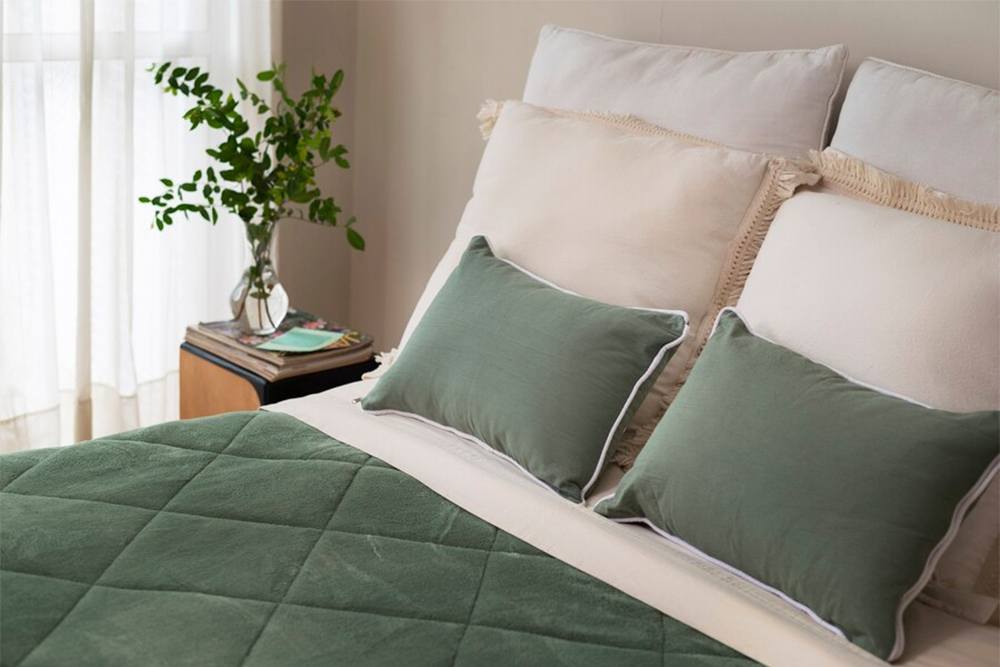
Shams in bedding serve as a decorative element that elevates the style and presentation of a bed. They are essentially decorative pillowcases, transforming regular pillows into eye-catching accessories that complement the overall design. Not only do shams add a touch of elegance to the bed, but they also provide an additional layer of comfort and support when used as extra pillows. Bed shams are available in various sizes, designs, and materials. They often feature intricate patterns, embroidery, and embellishments, adding depth and visual interest to one's bedding arrangement. Typically placed on top of the comforter or other bedding, shams are used to conceal the standard sleeping pillows, creating a polished and well-coordinated look. Understanding the role and purpose of shams in bedding can significantly impact the overall aesthetic appeal and comfort of a bedroom. By selecting the appropriate shams for a bed, one can easily transform the space into a stylish and cozy haven while maintaining a neat and uncluttered appearance. Understanding Bedding Shams Definition of Shams A bedding sham, also known as a pillow sham, is a decorative covering for pillows. It differs from standard pillowcases by generally having a flanged edge which adds a decorative appearance. Shams come in various sizes and styles, designed to complement different bedding sets. In essence, shams are the stylish, visually appealing counterpart of traditional pillowcases. Purpose and Functionality The primary purpose of a bedding sham is to enhance the appearance of a bed, turning ordinary pillows into decorative accessories. Apart from the aesthetic appeal, shams also serve practical functions, such as protecting pillowcases from dirt, oils, and other contaminants. Some common uses of shams in bedding include: ● Layering: Shams can be used to create a layered look on the bed, often placed in front of sleeping pillows and behind accent pillows. ● Organization: They can also provide a sense of organization and tidiness by concealing sleeping pillows while the bed is made. ● Customization: Shams offer additional opportunities for customization, with a wide range of designs, colors, and materials available. Bedding shams are stylish and versatile accessories that can elevate the appearance of a bed while also serving practical purposes. With a variety of options available, they can easily be incorporated into any bedding set to create a more personalized, visually appealing look. Types of Shams in Bedding Standard Shams Standard shams are the most common type of pillow sham used in bedding. They are designed to fit a standard-sized pillow, which typically measures 20 by 26 inches. These shams usually feature flanges, which are additional fabric borders that extend from the edges of the sham, adding to their decorative appeal. Standard shams can be found in various materials, including cotton, linen, and silk, enabling you to match them with your existing bedding. Euro Shams Euro shams are square-shaped pillow covers that measure approximately 26 inches by 26 inches. These shams are larger than standard shams, providing a unique look that stands out in a bedding ensemble. Euro shams are often used as the back layer of pillows when arranging pillows on a bed, offering both comfort and visual appeal. Although Euro shams can be found in various fabrics, they are commonly made of more expensive or luxurious materials like velvet or embroidered silk. King Shams King shams are designed to fit king-sized pillows, which measure around 20 inches by 36 inches. These larger pillow shams add a touch of luxury to your bedding ensemble and can be used as the main pillows for sleeping or as decorative accents. Like other types of shams, king shams come in various materials and styles, allowing you to coordinate them with your existing bedding and bedroom decor. Decorative Shams Decorative shams, as the name suggests, are primarily used for their aesthetic appeal and are not intended for sleeping. They come in various shapes, sizes, and designs, allowing you to add a personalized touch to your bedding. These shams often feature intricate details, such as embroidery or appliqué work, and can even be found in unconventional materials like fur or sequins. Using decorative shams is an easy way to enhance the overall look of your bed and express your unique style. Design and Style Elements Materials and Textures Shams can be made from a variety of materials, such as organic cotton, TENCEL™ Lyocell, and flax linen. The choice of material can greatly impact the texture and feel of a sham. For example, linen shams provide a more natural and rustic appearance, while organic cotton is often associated with a softer, smoother texture. Many luxury shams are commonly made from materials such as silk or velvet due to their plush feel and elegant appearance. Colors and Patterns The colors and patterns of shams can vary widely, allowing for customization to suit a variety of bedroom aesthetics. Shams are often designed to match or complement the duvet cover or quilt, creating a cohesive and well-coordinated look. They can feature solid colors, allowing for a more minimalistic and clean appearance, or include intricate patterns and designs that showcase elements like florals, geometric shapes, or abstract art. Mixing and matching different colors and patterns can also create a unique and eclectic style for your bedding. Closure Types Shams typically have a closure to keep the pillow securely enclosed and hidden from view. There are several common closure types found in shams: ● Envelope closure: An overlapping fabric flap that provides a seamless look and easy pillow insertion. ● Button closure: Decorative buttons placed along the edge that fasten the sham and add a touch of style. ● Zipper closure: Offers a clean and secure closure, often hidden within a seam for minimal visibility. Each closure type provides its own set of advantages, such as ease of use, added style, and secure pillow enclosure. Selecting the appropriate closure type is an important consideration when choosing the perfect sham for your bed. Care and Maintenance Washing and Drying Shams Caring for your shams starts with proper washing and drying techniques. It's essential to check the care label on your shams for specific instructions, as different materials require various care techniques. Generally, shams should be washed in cold water on a gentle cycle with mild detergent. Avoid using bleach, as it can damage the fabric and cause fading or discoloration. When it's time to dry your shams, do so in a low heat setting or consider air drying for optimal results. This helps prevent shrinking and damage to the fabric. Additionally, ensure that shams are completely dry before storing or placing them back on your bed to prevent mildew growth. Note: For delicate shams or those made from sensitive materials, some manufacturers may recommend dry cleaning for the best results. Ironing and Storage Tips Once your shams are clean and dry, you may need to iron them to remove any wrinkles and maintain a polished look. If ironing is necessary, use a low heat setting and avoid steam, as it may cause damage to certain fabrics. Be sure to iron your shams inside out to protect any design elements or prints. When it comes to storing your shams, consider the following tips to maintain their shape and appearance: ● Fold the shams neatly and place them in a cool, dry area. ● Avoid stacking heavy items on top of your shams, as this can cause creases and wrinkles. ● Keep shams out of direct sunlight to prevent fading and discoloration. With proper care and maintenance, your shams will stay fresh, clean, and looking great for years to come. Selecting the Right Shams Size and Fit When choosing shams for your bed, it is essential to consider the size and fit. Shams come in various sizes, such as standard, king, and European (also known as euro shams). Standard shams typically measure 20x26 inches, king shams are larger at 20x36 inches, and euro shams are square-shaped, measuring approximately 26x26 inches. To ensure a proper fit, select shams that correspond to the size of the pillows you plan to use. Here are common sham sizes for quick reference: ● Standard: 20x26 inches ● King: 20x36 inches ● Euro: 26x26 inches When choosing shams, also consider the closure type. Shams generally have either a hidden zipper or an overlap to allow for easy insertion and removal of pillows. This feature is crucial for maintaining a clean, polished look on your bed. Matching with Bedding In addition to size and fit, it is essential to select shams that match your bedding. Shams should complement the colors, patterns, and design elements of your bedspread, duvet cover, or comforter. In many cases, bedding sets come complete with coordinating shams, making it easy to create a cohesive look. If you are shopping for separate shams, seek out colors and patterns that either contrast or harmonize with your existing bedding. For example, if your duvet cover is a solid color, you may want to choose shams with a subtle pattern to add visual interest. Conversely, if your comforter has a bold design, solid-colored shams can provide a soothing contrast. Mixing textures, such as a decorative pillow sham with embroidery or ruffles, can also enhance the bed's appearance. Remember, shams are not just functional; they also serve an aesthetic purpose. By selecting the right size, fit, and design, you can transform your bed into a stylish focal point in your bedroom. Contact us today and get samples for your B&B business venture.
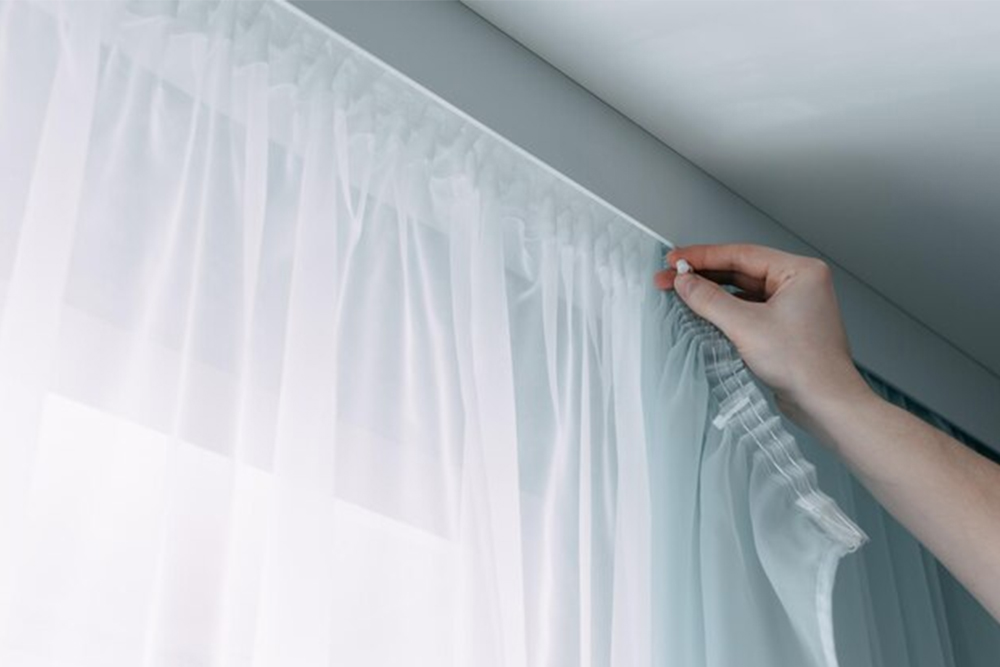
Curtain rods are necessary for hanging curtains, but they can sometimes be an eyesore that detracts from the overall appearance of a room. Fortunately, many solutions exist to hide curtain rods and make your window treatments blend seamlessly into your decor. By considering different hiding methods, you can ensure that your curtain rods blend in with the desired aesthetic of your space without interfering with their functionality. Various options are available for concealing curtain rods, such as utilizing decorative covers, architectural features, and clever placement of fabric. One popular method is crown molding, which can create a visually appealing border to hide the rod while enhancing the room's design. Other options include using brackets, cornices, pelmets, or window valances to mask the rod, complementing the room's decor. To ensure the best outcome, it is essential to evaluate these options and choose the one that best aligns with your preferences and room design. By employing one of these methods to hide your curtain rods, you can create a polished, cohesive look in your living space without sacrificing the practical function of the window treatments. This subtle enhancement can add to the overall ambiance of a room, giving it a more refined and elegant appearance. Understanding Curtain Rod Types When planning to hide curtain rods, it's essential to first be familiar with the different types of rods available. There are several common curtain rod types, each with its characteristics and suitability for various curtain styles. Tension rods are often used for lightweight curtains, making them ideal for small windows or cafe curtains for kitchen windows. Since these rods don't require any screws for installation, they're easy to take down or adjust as needed. This type of rod is a popular choice for its cost-effectiveness and ease of use. Standard rods are the most widely used curtain rod type, with a traditional design including a round rod with end caps. These rods can be installed with brackets and are suitable for most types of curtains, including heavy and long drapes. Their basic design, though functional, can benefit from concealment for a more polished appearance. Double curtain rods allow you to hang two sets of curtains with different functions. One layer may be sheer for daytime privacy, while the other may be a thicker drape for nighttime use. Double rods are typically more substantial and may need extra attention to hide them effectively. Track rods or curtain tracks are a more modern and discreet option, typically installed directly onto the ceiling or a pelmet. With no visible rod, they offer a streamlined look that may already blend into the room's design. Decorative rods come with ornate end caps or finials, adding a design element to your window treatments. While they can be aesthetically appealing, hiding them can help create a sleek and clean appearance. Knowing the various curtain rod types can play a vital role in choosing the most effective method for concealing them. Understanding which type of rod you're working with will help you decide the most suitable option to integrate it seamlessly into your room without drawing unnecessary attention to it. Choosing the Right Curtain Rod for Discreet Mounting When selecting a curtain rod for discreet mounting, it is essential to consider various options that help to hide the rod and brackets effectively. This section will discuss three specific approaches: Ceiling Mount Options, Extended Brackets, and Low-Visibility Rods. Ceiling Mount Options Ceiling mount curtain rods, as the name implies, are attached directly to the ceiling, allowing the curtains to hang from above and disguising the rods and hardware. This option is beneficial in rooms with high ceilings or when aiming for a dramatic, floor-to-ceiling look. When using ceiling mount rods, ensure that the curtains are long enough to cover the entire height of the window and a bunch of fabric above the rod, which helps hide hardware. Extended Brackets Extended brackets are another solution for discreet mounting. These brackets are designed to hold the curtain rod further away from the wall, creating a space behind the curtains to hide the rod and brackets. This option provides a clean, streamlined appearance. To avoid exposing the rod and brackets when the curtains are open, ensure that the curtain panels are wide enough to extend past the window edges when drawn. Here are some key points to consider when using extended brackets: ● Measurements: Accurately measure the distance from the wall where the brackets should be installed ● Curtain weight: Ensure the brackets can support the weight of the curtains ● Adjustments: Make sure the positioning allows for easy curtain movement Low-Visibility Rods Low-visibility curtain rods are designed to be visually unobtrusive. They are typically made of thin materials, such as wires or slim metal, and are available in colors that match the surrounding décor. These rods create an almost invisible effect, making them ideal for discreet mounting. When choosing a low-visibility rod, consider these factors: ● Rod length: Ensure it is suitable for the width of your window ● Material: Select a sturdy material that can withstand the weight of the curtains ● Color: Choose a color that blends with the wall or curtain fabric for maximum discretion By carefully considering these discreet curtain rod mounting options and selecting the most appropriate solution for your space, you can create a seamless and polished appearance in any room. Installation Basics When it comes to hiding a curtain rod, there are various methods available to achieve a seamless, aesthetically pleasing look. In this section, we will briefly discuss a few basic installation techniques to conceal your curtain rod effectively. Decorative Covers and Bunching Fabric One popular method is to use decorative covers or bunch fabric around the curtain rod, making sure the fabric complements the room's decor while not obstructing the curtain rod's functionality. Choosing a cover that matches or enhances your room's color scheme will help blend the curtain rod into the background, creating a cohesive appearance. Utilizing Architectural Features Another approach to hiding a curtain rod is to make use of existing architectural features, such as crown molding or window cornices. Crown molding can disguise the hardware of curtain rods by being installed around the perimeter of the room, while window cornices can be used to hide the rod entirely by providing a decorative covering. When selecting an architectural element to hide your curtain rod, ensure that it fits harmoniously with your room's overall design and style. Ceiling-Mounted Curtain Rods Ceiling-mounted curtain rods offer an excellent way to tuck rods away from view. By mounting curtain rods on the ceiling using hooks or brackets, you can create an unobtrusive installation that allows the curtains to seamlessly blend into the room. Additionally, ceiling-mounted rods can also be recessed into the ceiling itself, further hiding the curtain rod and its hardware for a cleaner look. Selecting the Right Curtain Header An often-overlooked aspect of hiding curtain rods is choosing the appropriate curtain header. While some headers, such as tab top and ring top, expose the curtain rod, other styles like pinch pleat, rod pocket, and inverted pleat can tactically hide the brackets and rod. Selecting a curtain header that conceals the curtain rod effectively while also working with your room's design is vital for a polished appearance. Hiding Curtain Rods with Window Treatments Several window treatment options can help conceal curtain rods, adding aesthetic value and creating a cohesive look in your living spaces. This section will discuss three popular methods: valances, cornices, and layering curtains. Valances Valances are decorative fabric elements that hang at the top of a window, serving to hide curtain rods and brackets. They come in various styles, such as swag, box, and scarf valances. Swag valances have a draped, elegant appearance, while box valances have a more structured look. Scarf valances, however, are fabric pieces artfully draped across the top of the window. ● Swag valance: Draped fabric for an elegant look ● Box valance: Structured fabric for a clean appearance ● Scarf valance: Artful drapery for an airy, light impression To create a seamless look, choose a valance that complements your curtain fabric and room decor. Cornices Cornices are similar to valances in that they hide curtain rods and brackets while adding decorative appeal to your windows. However, cornices are typically made of wood, metal, or plastic and have a more rigid structure. They can be easily customized by painting, upholstering, or adding decorative elements like moldings. ● Wood cornices: Classic, natural appearance ● Metal cornices: Modern, sleek look ● Plastic cornices: Lightweight, often more affordable When selecting a cornice, match its style to the rest of your room's design elements. Layering Curtains Another option for hiding curtain rods is to layer curtains. In this approach, a sheer curtain hangs closest to the window on its rod, while another, thicker curtain hangs on a separate rod in front of it. The thicker curtain's header helps to conceal the rods and brackets, while the sheer curtain provides additional texture and depth to the window treatment. For optimal results, choose complementary colors and fabrics for a harmonious look. Creative Solutions for Concealing Rods When it comes to hiding curtain rods, several creative methods can be both visually appealing and functional. In this section, we will explore three innovative approaches: Painting to Match, Custom Shelves, and Hidden Tracks. Painting to Match One of the simplest ways to conceal a curtain rod is by painting it to match the color of the surrounding wall or window trim. This strategy not only hides the rod but also creates a cohesive look for the entire space. To ensure the best results, it's crucial to: 1. Clean the rod thoroughly before painting 2. Use a primer specifically designed for metal surfaces 3. Choose a high-quality paint that matches the wall or trim color Custom Shelves Another innovative solution for hiding curtain rods involves the use of custom shelves. This method requires the installation of a shelf or ledge above the window, effectively concealing the rod and its brackets. Some advantages of this approach include: ● Aesthetic appeal: Custom shelves can be designed to match the room's décor, adding a unique and stylish touch to the space. ● Additional storage: The shelf can serve as a practical storage solution for decorative items or plants. ● Easier maintenance: With the rod hidden beneath the shelf, it's easier to remove curtains for cleaning or changing without worrying about damaging the rod or brackets. Hidden Tracks For a truly seamless look, consider hidden curtain tracks. These systems involve installing a track within the ceiling or a false wall, allowing the curtains to hang without any visible hardware. Key benefits of hidden tracks include: ● Clean, modern appearance: The absence of visible rods or brackets gives your window treatment a streamlined, contemporary look. ● Flexibility: Hidden tracks can be tailored to suit various curtain types, including sheer or heavy fabrics, and can be used for both straight and curved windows. ● Space-saving design: With the hardware concealed, you have more wall space for artwork or other decorative elements. Hiding curtain rods can be achieved through several creative methods, such as painting to match, using custom shelves, or incorporating hidden tracks. By considering the specific needs and style preferences, it is possible to effectively conceal rods while enhancing the room's overall décor. Maintenance and Safety Tips When hiding curtain rods, as well as ensuring a visually appealing setup, proper maintenance and safety practices should be a priority. This helps your curtains continue to function efficiently while maintaining your desired aesthetic. Regular Cleaning: Dust and debris can accumulate on curtain rods, brackets, and related hardware over time, leading to wear and tear. Gently clean these areas with a soft cloth or duster to prolong their life and keep them looking their best. Inspecting brackets and hardware: Periodically check the brackets and other hardware holding your curtain rods in place to ensure they are secure. Loose or damaged hardware can pose a risk to the safety and stability of your setup. Avoid Overloading: When adding curtains, ensure that the weight of the fabric and the rod's capacity are compatible. Overloading can cause the rod to bend or even break, compromising the appearance and safety of your window treatment. Tips for Proper Maintenance Safety Precautions Clean regularly with a soft cloth or duster Don't overload the rod with heavy curtains Inspect hardware for signs of wear and tear Securely fasten brackets and hooks Child and pet safety: Keep curtain cords, tassels, and other small parts out of reach of children and pets. Consider using cordless or motorized systems to reduce the risk of accidents. Window treatment positioning: When installing your curtain rod, ensure that it is securely fastened to either the wall or ceiling, with enough clearance from potential hazards like electrical outlets, light fixtures, or recessed areas. By adhering to these maintenance and safety tips, you can maintain a well-hidden curtain rod setup that's both attractive and functional. Remember to prioritize both the aesthetics and the safety of your window treatment to create a harmonious space that you and your family can enjoy. Contact us today and get samples for your B&B business venture.
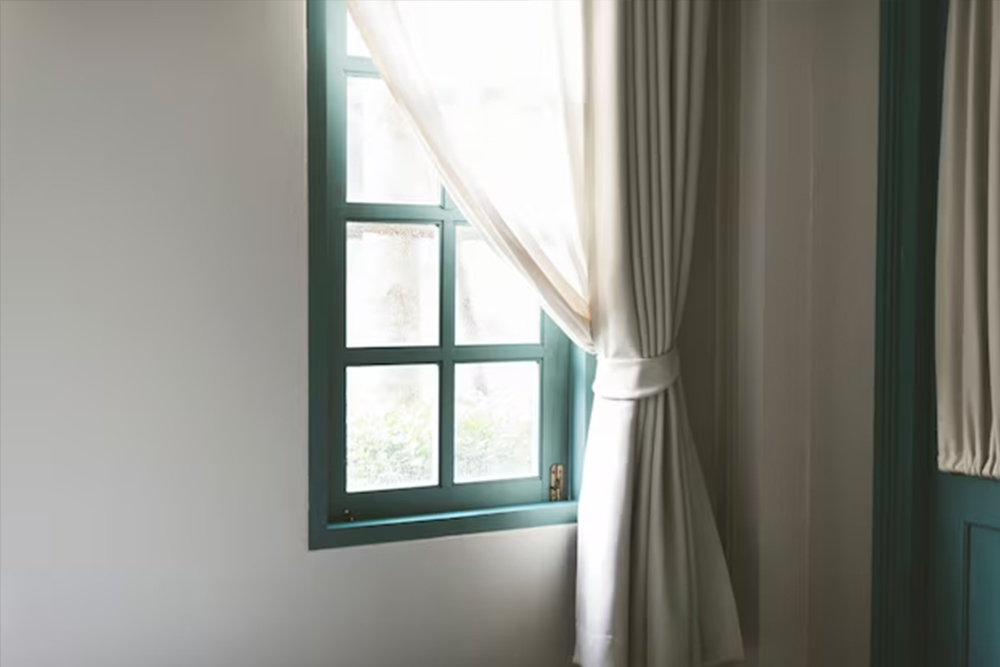
Back tab curtains are an elegant and popular window treatment option, distinguished by their unique hidden tab design on the back of the curtain panel. The tabs or loops are typically made from the same fabric as the curtain itself, seamlessly blending in. This style offers a clean and uncluttered appearance as the curtain rod and tabs remain hidden. The working mechanism is quite simple, yet visually appealing. The curtain rod slips through the fabric tabs or loops sewn onto the back of the curtain header, creating an illusion of the curtain floating in space while forming a sophisticated clean line. This also allows the curtains to form pleats over the rod at each tab, without using any additional hardware or accessories, and providing a modern alternative to traditional curtain hanging methods. Back tab curtains provide a discreet and stylish way to hang window treatments, enhancing the overall appearance of a room and adding a touch of refinement. With their hidden tab design, these curtains can effortlessly be incorporated into various interior design styles and make for a versatile choice when decorating your living space. What Are Back Tab Curtains Back tab curtains, also known as hidden tab curtains, are a type of window treatment featuring fabric loops or strips on the backside of the curtain panel. These tabs serve as a discreet and attractive way to hang the curtains, providing a clean and sleek appearance. The curtains form pleats over the rod at each tab without using any additional hardware. The working mechanism of back tab curtains is simple. The tabs are usually the same color and made from the same fabric as the curtain itself, thus blending in seamlessly. To hang the curtains, the rod slips through the tabs so that neither is visible from the front. This gives the illusion of the curtain floating in space and creates an elegant, clean line. Some advantages of back tab curtains include: ● Elegant look: The hidden tabs create a smooth, clean appearance, which adds elegance to any room. ● Easy to hang: No additional hardware is required, making them relatively simple to install. ● Versatility: They can be used with a variety of different curtain fabrics, styles, and designs. ● Less light leakage: Due to their design, back tab curtains cover the rod more effectively, reducing the amount of light that enters the room through the top of the window. Back tab curtains come in a variety of colors, patterns, and materials, making them a perfect choice for people who want a stylish and practical window treatment option. Whether you choose patterned back tab curtains to liven up a plain room, or solid-colored ones that blend in seamlessly, they provide a clean, sophisticated look to your décor. Key Characteristics of Back Tab Curtains Hidden Tabs Back tab curtains, also known as hidden tab curtains, are a popular window treatment choice due to their unique design. The hidden tabs are typically made from the same fabric and color as the curtain panel, which allows them to blend in seamlessly. These fabric loops or strips are located on the backside of the curtain panel, ensuring a clean and sleek appearance. Smooth Draping The hidden tabs in back tab curtains contribute to their overall aesthetic by creating a smooth and uncluttered draping effect. As the tabs are sewn at equal intervals, it can prevent the fabric from clustering at the top. The resulting pleats are well-distributed and create a visually pleasing, architectural quality. Lists of benefits to consider when using back tab curtains: ● Clean, sleek appearance ● Evenly spaced pleats ● Smooth draping effect Versatile Hanging Options Another advantage of back tab curtains is their versatile hanging options. Although these curtains are typically hung using hidden tabs, they can also accommodate other hanging methods, such as rings, hooks, or a combination of different hanging styles. This versatility enables homeowners and decorators to achieve various looks and styles with the same curtain panel. Here are some popular hanging methods for back tab curtains: 1. Hidden tabs: for a clean and modern look 2. Rings: for a more traditional appearance 3. Hooks: for added decorative detailing or customization back tab curtains are an excellent choice for those seeking window treatments that offer a clean, sleek appearance, smooth draping effect, and versatile hanging options. This adaptable style caters to various design preferences, making it a popular choice for many homes. Materials Used for Back Tab Curtains Back tab curtains, also known as hidden tab curtains, are popular for window treatments due to their sleek appearance and ease of installation. The material used for these curtains plays a crucial role in their overall look, feel, and functionality. Common materials used for back tab curtains are polyester, silk, and velvet. Polyester Polyester is a synthetic fabric widely used for making back tab curtains due to its affordability and durability. Some of the key features of polyester curtains include: ● Resistant to wrinkles: Polyester curtains maintain their shape and tend not to form wrinkles, making them easy to maintain. ● Color retention: Thanks to their synthetic nature, polyester fabrics are known for holding onto colors, ensuring the curtains remain vibrant even after prolonged use. ● Low maintenance: Polyester curtains are machine washable and typically don't require special care, making them a practical choice for everyday use. However, it's worth noting that polyester does not provide the same luxurious feel as some natural materials, such as silk or velvet. Silk Silk, a natural protein fiber, is popular for making back tab curtains due to its elegant and luxurious appearance. Some notable features of silk curtains include: ● Lightweight: Silk fabric is extremely lightweight, allowing it to drape beautifully and create an elegant ambiance in any room. ● Natural sheen: The natural sheen of silk gives it a high-end look that adds a touch of sophistication to window treatments. ● Temperature regulation: Silk is known for keeping rooms cool in summer and warm in winter, making it suitable for curtains in various climates. On the downside, silk curtains require extra care and are often dry-cleaned only, which can be a disadvantage for those seeking low-maintenance window treatments. Velvet Velvet, a plush and luxurious fabric, is another popular choice for back tab curtains. The features of velvet curtains include: ● Light-blocking: Velvet has a dense pile, which makes it an excellent choice for blocking out light and providing privacy. ● Insulation: Similarly, its thickness can help to insulate a room, keeping it warm and cozy. ● Texture: The soft, plush texture adds depth and richness to window treatments, making them a popular choice for those looking to create a luxurious living space. However, velvet curtains can be heavy, which could be a downside for some window treatments or curtain rods. The material chosen for back tab curtains can greatly impact their aesthetic, functionality, and maintenance requirements. Whether opting for the affordability of polyester, the luxury of silk, or the plushness of velvet, it's essential to consider the unique qualities of each material when selecting the perfect back tab curtains for your space. Benefits of Back Tab Curtains Light Filtration Back tab curtains are an excellent choice for homeowners who wish to control the amount of light entering a room. Since the curtains are hung by hidden tabs on the back, they create a tight seal with minimal gaps between the curtain and the window. This ensures that the curtains provide effective light filtration, making them suitable for bedrooms, media rooms, or any space requiring controlled lighting. Insulation Another significant advantage of back tab curtains is their insulation properties. These curtains help maintain a comfortable temperature within the room by blocking out external heat or cold. The snug fit of the curtain around the window, combined with the extra fabric layer of the tabs, creates a barrier that minimizes heat exchange between the interior and exterior. Homeowners can enjoy comfortable interiors while also benefiting from reduced energy costs. Aesthetics Aesthetically, back tab curtains are a popular choice because of their clean and streamlined appearance. The hidden design of the tabs creates a unique look as it allows the curtain fabric to hang gracefully without any visible hooks or loops. Here are a few ways back tab curtains contribute to a room's aesthetics: ● Uniformity: The curtain panels drape evenly, creating a harmonious and consistent look across the window. ● Customizability: They are available in various colors, patterns, and materials, allowing homeowners to choose the perfect style for their space. ● Flexibility: The hidden tab design works well with many curtain rod styles, making it easy to blend seamlessly into any décor. Back tab curtains are an attractive and practical choice for homeowners who value both functionality and appearance. Their light filtration and insulation capabilities, combined with their elegant design, make them a versatile option for enhancing any living space. Drawbacks of Back Tab Curtains Limited Adjustability One of the main drawbacks of back tab curtains is their limited adjustability. Unlike other curtain styles, such as grommet and rod pocket curtains, the spacing of the tabs is predefined, which means that the width of the pleats and the overall fall of the curtains may not be easily adjustable. This can be a drawback for those looking for a custom curtain arrangement or specific appearance, as the hanging options are more restrictive. In contrast, grommet curtains offer more flexibility when it comes to adjusting the spacing and appearance of the curtains. Higher Cost Another drawback of back tab curtains is their generally higher cost compared to other curtain styles. Due to the hidden tabs, back tab curtains often require more fabric for their construction, which can drive up the price. Additionally, the meticulous stitching process required for well-made back tab curtains also contributes to the extra cost. In comparison, rod pocket curtains usually require less fabric and have a simpler structure, making them more budget-friendly. ● Pros of back tab curtains: ○ Sleek and clean appearance ○ Hidden tabs blend seamlessly ○ The architectural quality of the fall of the curtains ● Cons of back tab curtains: ○ Limited adjustability ○ Higher cost Even though back tab curtains offer a clean and attractive appearance with hidden tabs and a distinct fall, potential buyers consider drawbacks like limited adjustability and a higher cost. By evaluating these factors, one can determine if this curtain is the best choice for their needs and budget. How to Hang Back Tab Curtains Standard Rod Back tab curtains can be hung on a standard curtain rod with ease. To do this, first measure and mark the placement of the curtain rod on the wall. Next, install the curtain rod brackets at the marked locations. Attach the back tab curtains to the curtain rod by sliding the tabs onto the rod, creating soft, vertical folds in the fabric. Finally, hang the curtain rod with the curtains onto the brackets. It's essential to gather the necessary materials before hanging the curtains: ● Curtain rod ● Level ● Measuring tape ● Pencil ● Curtain rod brackets ● Screwdriver ● Back tab curtains Decorative Rod When using a decorative rod, you may want to consider using rings or hooks to enhance the appearance of the back tab curtains. To do this, first follow the same steps as with the standard rod: measure and mark the placement of the curtain rod, install the curtain rod brackets, and hang the decorative rod on the brackets. Next, attach rings or hooks to the back tabs of the curtains. These rings or hooks will ensure the curtains hang closely to the window, creating the illusion of a larger window. Once the rings or hooks are attached, slide them onto the decorative rod, ensuring an even distribution of the curtains along the rod. When hanging back tab curtains on decorative rods, gather these materials: ● Decorative curtain rod ● Level ● Measuring tape ● Pencil ● Curtain rod brackets ● Screwdriver ● Rings or hooks ● Back tab curtains Care and Maintenance of Back Tab Curtains Proper care and maintenance of back tab curtains can significantly extend their lifespan, enhance their appearance, and ensure smooth operation. Regular cleaning and gentle handling are crucial aspects of maintaining these window treatments. Here are a few essential tips for the care and maintenance of back tab curtains: 1. Regular Dusting and Vacuuming: Dust, dirt, and debris can accumulate on back tab curtains, making them appear dull and affecting their smoothness. To prevent this, use a soft brush or vacuum attachment to remove dust from the fabric at least once a week. Vacuuming should be done gently, with the vacuum cleaner set on a low setting to avoid damage. 2. Washing: Different curtain fabrics require varying washing techniques. Synthetic materials such as polyester can generally be machine-washed on a delicate cycle with cold water. Natural fabrics like linen, silk, and wool, on the other hand, may require hand washing or dry cleaning. Be sure to consult the manufacturer's care instructions provided with your curtains before washing. 3. Gentle Handling: Handle your back tab curtains carefully to prevent unnecessary pulling or stress on the fabric, tabs, and curtain rod. When opening or closing the curtains, use a steady, even motion to ensure smooth operation and minimize the risk of damage. 4. Periodic Inspection: Examine the back tab curtains, curtain rod, and hardware regularly for any signs of wear, damage, or loose fittings. Promptly address any issues that arise to prevent further damage or safety hazards. For instance, tighten any loose bracket screws and repair or replace damaged tabs. Following these care and maintenance tips will help maintain the attractive appearance and optimal functionality of your back tab curtains, ensuring they remain a stylish and valuable addition to your home decor. Conclusion Back tab curtains offer a unique blend of aesthetics and functionality. These curtains are characterized by their hidden tabs at the back of the curtain panel, allowing for a clean, tailored look that enhances various interior designs. Some key aspects of back tab curtains include: ● Ease of installation: The hidden tabs on back tab curtains enable smooth sliding onto curtain rods, providing a user-friendly hanging experience. ● Versatility: Back tab curtains cater to different needs, such as light control and privacy, making them a popular choice for rooms with abundant natural light. ● Stylish appearance: The hidden tab design adds a streamlined touch to the curtains, suitable for achieving a contemporary or minimalist look. There are numerous curtain styles available, such as grommet, rod pocket, and back tab, each contributes to the overall ambiance and mood of a room. It's essential to consider various factors, including color, pattern, and texture when selecting the ideal curtain style for your specific decorating preferences. Back tab curtains provide a stylish and functional window treatment option. The hidden tab design offers a polished appearance, making it a favorite among homeowners seeking a versatile and elegant solution for their windows. Contact JHThome today and get samples for your business venture.

When decorating a room with brown furniture, selecting the right curtain color is crucial in creating a cohesive and visually appealing look. Brown furniture is versatile and can become the centerpiece of a space, so it's essential to choose curtains that complement the furniture and enhance the overall design. In this article, we will explore various curtain color options and provide some helpful tips to help you make the best choice for your space with brown furniture. Brown is a warm and earthy color that pairs well with various hues, making it relatively easy to find the perfect curtain color. One popular option is white curtains, which create a sleek yet elegant look when paired with dark brown furniture. Moreover, white curtains help brighten the space and reflect natural light, especially in rooms with limited sunlight. Another recommendation is to consider fall colors, such as green, rust, and gold, which harmonize beautifully with various shades of brown. These earthy tones emphasize the warmth and richness of brown furniture, providing a comforting and welcoming ambiance in any room. Importance of Color Coordination Color coordination plays a crucial role in interior design, particularly when selecting curtains for brown furniture. A well-coordinated color scheme can create a harmonious and visually appealing space, while improper coordination may result in a disjointed or overwhelming environment. Identifying the ideal curtain colors for your brown furniture is vital in achieving a cohesive, attractive room. When matching curtains with brown furniture, several factors influence the choice of colors, including the shade, room size, and surrounding decor elements. Some popular color options for curtains that complement brown furniture are: ● Neutral colors: White, beige, and gray provide a classic, subtle backdrop for brown furniture, adding balance and sophistication to any room. Beige, in particular, is a versatile choice that pairs well with various shades of brown. ● Bold colors: If you're looking to make a statement, opt for bolder colors like deep reds, blues, or purples. These hues can contrast with brown furniture, adding depth and energy to the space. ● Warm colors: Colors such as gold, yellow, or orange can create a warm and inviting atmosphere while complementing the earthy tones of brown furniture. ● Cool colors: Soft blues, greens, and mint colors are excellent choices for dark brown furniture, as they create a relaxing and fresh vibe while balancing the room's temperature. In addition to the color palette, the texture and material of the curtains significantly impact the overall appearance of a room. If your brown furniture features a heavy or imposing design, lighter fabrics like linen or sheer curtains can help balance the visual weight. Conversely, heavier curtains might be suitable for smaller, lighter furniture pieces. Ultimately, the importance of color coordination lies in its effectiveness in creating a cohesive and visually appealing living space that showcases your brown furniture. By considering the various options available and their corresponding effects on a room, you can make an informed decision when selecting the perfect curtains to complement your brown furniture. Understanding Warm and Cool Colors When selecting curtains to complement brown furniture, it's crucial to understand the concepts of warm and cool colors. Brown is a warm color, which means it is associated with emotions like comfort, passion, and energy. Warm colors include shades of red, yellow, and orange. On the other hand, cool colors evoke feelings of calmness, tranquility, and relaxation. Examples of cool colors are shades of blue, green, and purple. In the context of interior design, it is essential to strike a balance between warm and cool colors to create a harmonious and visually appealing space. One approach is to complement brown furniture with warm-toned curtains like fall colors such as rust, gold, and deep green. This palette enhances the richness of the brown furniture and contributes to a cozy, welcoming atmosphere. Alternatively, pairing brown furniture with cool colors can create a soothing ambiance by introducing a contrast between the warm and cool shades. For instance, curtains in muted blues or greens can balance out the warmth of brown furniture, giving your living space a serene atmosphere. Here is a brief comparison table of warm and cool colors in curtains that go well with brown furniture: Warm Colors Cool Colors Rust Light Blue Gold Sage Green Deep Green Muted Purple Burnt Orange Silver Considering the size and natural light in your space is also essential when choosing curtain colors. For poorly lit rooms, opting for lighter curtains such as white or beige can help brighten the space a bit and reflect natural light. In conclusion, selecting the right curtain color to match your brown furniture depends on the desired mood, the balance between warm and cool colors, and the specific characteristics of your living space. Experiment with different options to find the perfect curtains to enhance the beauty and comfort of your home. Neutral Curtains When pairing curtains with brown furniture, neutral colors are a popular choice. They can enhance the warmth and elegance of brown furniture while creating a timeless and inviting atmosphere. Some of the most common neutral curtain colors include beige, cream, and gray. Beige curtains are an excellent option as they can add a touch of warmth and brightness to a room with brown furniture. This color accent nicely complements the rich tones of brown, creating a harmonious and balanced aesthetic. Beige curtains also work well with other earthy tones, such as greens, rust, and gold. In contrast, cream curtains can soften and lighten the appearance of a room with darker brown furniture. This color adds a sense of airiness and allows the brown furniture to stand out. Cream curtains can elegantly blend with warmer brown shades and help tie the room together. Gray curtains, on the other hand, introduce a more modern and sophisticated element to a room with brown furniture. Gray can create a subtle contrast with the brown furniture, adding depth and a touch of contemporary flair. This color pairing works particularly well in living rooms and bedrooms, offering a clean and polished look. Here are some popular neutral curtain colors to consider: ● Beige: Provides warmth and brightness ● Cream: Softens and lightens the space ● Gray: Adds a modern and sophisticated touch When choosing neutral curtains for brown furniture, it's essential to consider factors such as the room's lighting, color scheme, and overall design style. Considering all these factors, you can create a cohesive look that enhances the beauty and comfort of your space. Matching Brown Furniture With Curtains Earth Tones Earth tones are a perfect match for brown furniture as they complement each other well and create a warm ambiance in the room. For instance, beige, taupe, olive, or even rust-colored curtains can harmoniously blend with brown seating. These subdued shades balance out the heaviness of dark brown furniture, making the space look more inviting and tranquil. Pro tip: In case the room is small, opt for light earth tones like cream or sandy beige to make the interior feel more spacious. Pastel Colors Pastel curtains create a subtle contrast to brown furniture while preserving the room's soft and cozy atmosphere. Colors like powdery blue, light lavender, and pale pink can introduce a touch of freshness into the room while maintaining the balanced effect with brown furniture. Choose your pastel color based on the undertone of your brown furniture: ● Cool undertone: Opt for lavender, mint green, or soft blue. ● Warm undertone: Look for peach, buttery yellow, or blush pink. Bright Colors If aiming for a more vibrant and upbeat mood in a room with brown furniture, bright-colored curtains can achieve that without overwhelming the space. Here are some suggestions: ● Bold Red: A striking contrast could be created by using red curtains in a room with brown furniture. This combination works well for a lively and passionate atmosphere. ● Bright Yellow: Yellow curtains can inject a burst of sunshine and energy into the room, offering an exciting contrast to dark brown furniture while maintaining visual harmony. ● Vibrant Green: Green curtains can bring a touch of nature into the room and make the space feel more refreshing and invigorating. Select the colors wisely, considering the size of the room and the amount of natural light it receives. If unsure, you can always use color swatches or try out virtual room design tools to visualize the impact of various curtain colors on your brown furniture. Impact of Room Lighting Natural Light When choosing curtain colors to complement brown furniture, consider the amount of natural light that enters the room. Rooms with ample sunlight can benefit from lighter shades, such as beige or light gray, which can help to balance the rich tones of the furniture. In contrast, a space with limited natural light might benefit from brighter colors like sage green or sky blue, which can add a sense of freshness and vibrancy. ● Ample Sunlight: Lighter shades like beige or light gray ● Limited Sunlight: Brighter colors like sage green or sky blue Artificial Light The type of artificial light in a room can also impact the choice of curtain color to pair with brown furniture. Rooms with warm lighting, such as incandescent bulbs, can enhance warmer curtain tones, such as rich gray or even a darker shade of brown. On the other hand, a room with cool lighting like LED or fluorescent lights can be complemented by bolder colors like navy or even white, which can help create visual balance. To summarize, here are some color suggestions based on lighting type: ● Warm Lighting: Warm tones like rich gray or darker brown ● Cool Lighting: Bold colors like navy or white Room Theme Influence In this section, we will discuss how the room's theme influences the choice of curtain colors for brown furniture. Different design styles such as Modern, Classic, and Bohemian can dictate the best complementary colors for curtains. Modern Style In a modern-style room with brown furniture, simplicity is key. Minimalism and clean lines dominate the design, so it is best to choose curtain colors that offer a striking contrast or a refreshing touch. Some popular color options include: ● White: This neutral choice maintains a bright, clean atmosphere and contrasts well with brown furniture. ● Grey: A cool color that adds a sense of sophistication and complements dark brown hues. ● Black: For a bold and contemporary look, black curtains make a strong statement against brown furniture. Tip: Incorporate geometric patterns or textured fabrics to add visual interest in a modern-style room. Classic Style Classical interiors often feature a mix of warm and luxurious tones. When choosing curtain colors for brown furniture in a classic setting, consider the following options: ● Beige or Cream: These rich tones complement dark brown furniture and create a cohesive color palette. ● Gold or Rich Reds: Elevate the ambiance with luxurious, opulent curtain colors that enhance the warmth of brown furniture. Tip: Incorporate textures like velvet or silk for a refined, elegant look in a classic setting. Bohemian Style Bohemian-style rooms are characterized by their eclectic and colorful nature. Brown furniture can serve as the perfect grounding element amidst a mix of vibrant hues. When selecting curtain colors for a Bohemian space, you may consider: ● Earth Tones: Colors like sage green or mustard can accentuate the earthy character of brown furniture while maintaining the room's carefree vibe. ● Bold Patterns: In a Bohemian space, don't be afraid to experiment with patterned curtains that complement brown furniture. Choose designs that incorporate rich jewel tones, textures, or global patterns for a visually dynamic look. Tip: Layering multiple curtain panels with different colors or patterns can add depth and visual interest to a bohemian space. Remember, personal preferences and existing room elements will also play a role in determining the best curtain color for your brown furniture. Keep the design style, room theme, and overall aesthetic in mind to create a harmonious and well-designed space. Conclusion Finding the perfect color for curtains to match with brown furniture can be an enjoyable process. Consider the various color options, such as neutral tones, warm colors, and cool shades, to complement the natural warmth and sophistication of brown furniture. Some popular curtain colors to consider include white, which creates a sleek, elegant look, and beautifully contrasts with dark brown furniture. Other options include beige, gray, or cream, which provide a calm and soothing atmosphere. For a warmer and more inviting space, consider incorporating bold colors like red, orange, or yellow. These colors can add a pop of vibrancy to your room, enhancing the ambiance and balancing out the earthy tones of the brown furniture. For example, orange accents in curtains, throw pillows, or artwork can energize and brighten your living area. Conversely, if you prefer a cool and relaxing vibe, opt for curtain colors such as blue, green, or purple. These shades can provide a visually appealing contrast to the warm tones of brown furniture, thus creating a harmonious space. Lastly, don't forget the impact of patterns and designs on curtains. Play with various patterns like stripes, geometric shapes, or floral designs that seamlessly blend with your brown furniture to add depth and interest to your room. By selecting the right curtain color, you can create a harmonious and captivating space that enhances the beauty of your brown furniture while reflecting your style. Contact JHThome today and get samples for your business venture.
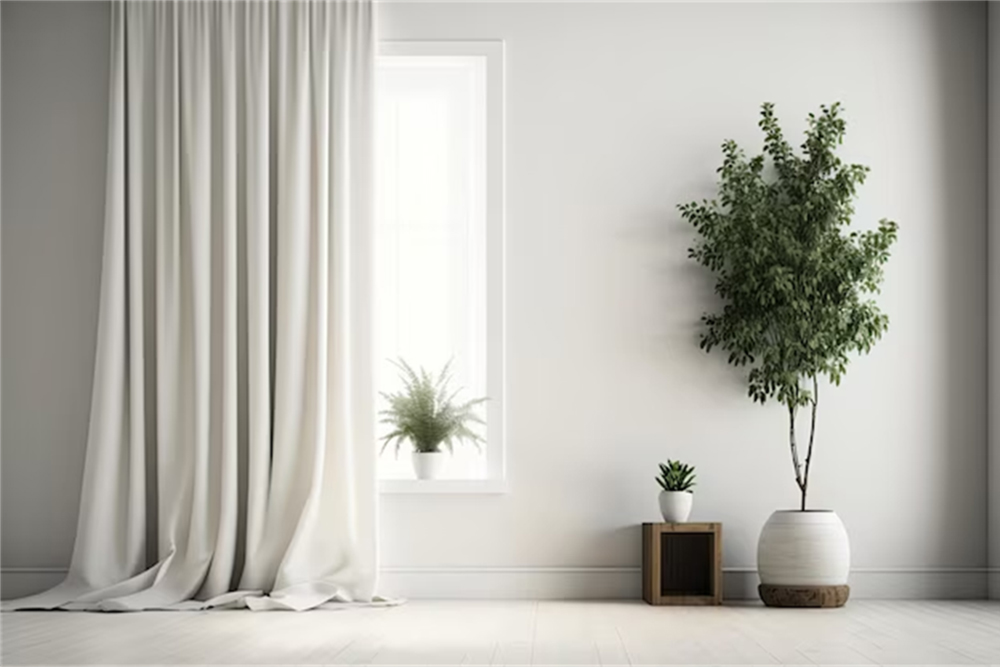
White walls have been a popular choice for homeowners because of their simplicity and versatility. They provide a clean backdrop, making it easy to incorporate various design elements into a room. One crucial aspect of room design is choosing the right curtain color that complements white walls. With numerous options available, it might seem challenging to select the perfect one. However, some curtain colors can work exceptionally well with white walls to enhance your living space. Neutral colors, such as beige or grey, may be ideal for those who prefer a minimalist approach. These colors create a sophisticated and elegant look without overshadowing the other design elements in the room. For a more vibrant and lively ambiance, bright red, blue, turquoise, or orange curtains can add a pop of color that complements white walls boldly and refreshingly. Another option is to play with contrast to create an eye-catching focal point within a room. For instance, navy blue curtains can create a strong contrast with the white walls and frame the window area nicely. Ultimately, the choice of curtain color boils down to personal preference and the overall design theme you want to achieve in your room. The key is to select a color that harmonizes with your room's design while enhancing the aesthetic appeal of your living space. Understanding White Walls White walls are often seen as a blank canvas in interior design. This neutral base creates endless possibilities for styling and decorating a room. One key aspect of room design is choosing the right curtain color to complement the white walls. In this section, we will discuss various factors to consider when selecting curtain colors that harmonize with white walls. The simplicity of white walls allows for a wide range of curtain colors to be used without clashing. Numerous colors pair well with white walls, including white, beige, bright red, blue, turquoise, grey, and orange. With such a vast selection of hues available, it's essential to focus on the specific interior design style you aim to achieve. When considering curtain colors for white walls, it's crucial to consider the overall theme and color palette used in the room. For example, if a room has a coastal or beach-inspired theme, earthy tones like blue or green may work well. In contrast, a more contemporary or minimalist space may benefit from neutral shades such as beige or grey. Another option to add personality and flair to a room with white walls is to use patterned curtains. Subtle or bold patterns can add visual interest and tie together a room's décor in a way that simple block colors may not achieve. Patterns can come in the form of geometric shapes, florals, or abstract designs, and choosing the right pattern can greatly enhance the overall style of the space. Ultimately, the color and style of curtains for white walls will be subjective and heavily influenced by personal preferences and intended room themes. Whether looking to create a bold, eye-catching aesthetic or a calm, serene atmosphere, white walls provide a versatile foundation that can accommodate various curtain colors, patterns, and styles. Choosing the Right Color Curtains When selecting curtain colors to complement white walls, it's essential to consider the desired atmosphere and style of the room. Some popular colors that pair well with white walls are: ● Mint green: For a refreshing and calm ambiance, mint green curtains are an excellent choice. The combination of white walls and mint green curtains creates a harmonious balance between the freshness of green and the serenity of blue. ● Gray: Gray curtains offer a versatile and sophisticated option that complements white walls. There is a wide variety of gray shades and hues to choose from, including light gray, charcoal gray, and gray and white striped curtains. ● Light beige: For those who prefer a neutral color palette, light beige curtains can help keep the room's focus on other elements without clashing with white walls. ● Pink: Pink curtains add a splash of color, warmth, and a touch of femininity to a room with white walls. The degree of saturation and hue can be adjusted to suit personal preferences and overall room design. ● Navy blue: Navy blue curtains create a strong contrast with white walls, adding depth and sophistication to the room. This color choice is particularly suitable for living rooms aiming for a clean and contemporary look. When choosing curtain colors, it is crucial to: 1. Consider the room's size and level of natural light; lighter-colored curtains are often preferable for small or dark rooms. 2. Determine the desired curtain length based on aesthetic and functional preferences. 3. Take into account the size of the window, the width of the wall, and the style of the furniture. 4. Opt for textured curtains when selecting solid colors to provide more visual interest against the white walls. By keeping these factors in mind, you can select the perfect curtain color to enhance and complement your white walls. Pastel Color Curtains Pastel color curtains are an excellent choice for rooms with white walls as they create a harmonious and soothing atmosphere. These colors bring out the best in white walls, complementing their purity and brightness. With various pastel shades available, homeowners have numerous options to choose from when selecting the perfect curtains for their space. One popular pastel curtain color is mint. This light green shade has a touch of blue hue, creating a beautiful mix of freshness and calmness. Mint curtains perfectly match the white walls, providing a delicate and subtle enhancement to the room. Another great option is light gray curtains. Gray easily suits white walls and comes in various shades and hues. Light gray patterned curtains, gray-embellished curtains, and gray and white striped curtains are just a few of the many choices available. These curtains not only blend well with the white walls but also add a touch of elegance and sophistication. A vibrant yet elegant choice for white walls is blue curtains, which work hand in hand with the white to create a majestic appearance. Velvet blue curtains, in particular, look incredible with white walls because of their luxurious texture and shine. Matte velvet adds a touch of sophistication and elegance, making blue curtains a stunning addition to any white living room or dining room. Moreover, yellow or gold curtains can bring a vibrant and luxurious touch to your white walls. The color yellow often symbolizes positivity, energy, and warmth, while gold represents luxury and elegance. These shades create eye-catching accents that can dramatically enhance the overall appearance of the room. In conclusion, pastel color curtains offer a wide range of options for homeowners looking to enhance their white-walled rooms. From mint and light gray to blue and yellow, these curtains create an attractive and well-balanced ambiance without overpowering the room's other design elements. Bold Color Curtains When it comes to dressing up white walls, choosing bold color curtains can make a significant impact and add a vibrant touch to the room. These colors not only create a contrast but also allow homeowners to express their style while keeping the room looking fresh and inviting. One popular option for bold-colored curtains against white walls is orange curtains. The distinctive color brings about sophistication and boldness, which is easily noticeable with the plain white backdrop. Orange curtains brighten up the room, making it feel cheerful and lively. Another appealing choice for white walls is hydrangea blue velvet curtains. The light blue hue looks incredible against the white background, while the velvet material adds a touch of luxury. This combination results in a room with an elegant and modern aesthetic. For those who prefer a more spirited look, selecting vibrant green curtains can add a splash of nature to the room. The green hue brings energy to the space, creating a calming yet refreshing ambiance. Pairing green curtains with white walls also makes the room feel more expansive and inviting. In summary, bold color curtains can transform a room with white walls into a captivating and stylish living space. Choices like orange, hydrangea blue velvet, or vibrant green can provide a striking contrast and enhance the overall aesthetic of the room. Remember to select colors that best suit your taste, as well as the desired atmosphere for the space. Neutral Color Curtains When it comes to decorating a room with white walls, selecting the right curtain color can be a crucial decision. One safe and classic option is to choose neutral color curtains. Neutral colors are versatile and can easily fit into various design schemes, maintaining a timeless interior design aesthetic. Among popular neutral colors for curtains, beige is an excellent choice. It works well with white walls and can also be enhanced by incorporating white accents or patterns into the beige curtains. This combination creates a harmonious and balanced appearance in the room. Another neutral option to consider is off-white curtains. By selecting a shade that is slightly different from the wall color, you can create a subtle contrast that adds depth to the space. Moreover, off-white curtains can help maintain the room's clean and airy ambiance while still providing some visual interest. In addition to solid color neutrals, you may opt for patterned neutral curtains. This choice can add an extra layer of sophistication and personality to the room. Patterns, such as stripes, florals, or geometric designs in various neutral shades, bring texture and dimension to the space without being overwhelming or clashing with other design elements. When selecting neutral color curtains, keep in mind that other elements in the room can influence the overall style and aesthetics. Therefore, consider coordinating your curtains with the furniture, rugs, and artwork to create a cohesive and inviting space. Light and Dark Shades Comparison When choosing curtains for white walls, it's crucial to consider the effect of light and dark shades on the overall room appearance. Light curtains, such as mint or light gray options, can create an airy, fresh atmosphere. They allow natural light to flow through the room while maintaining a sense of harmony with the white walls. These colors work well in smaller spaces, intending to make the room look larger or in environments that require a peaceful environment. On the other hand, dark curtains can introduce contrast and depth to the room. For instance, navy blue or charcoal gray curtains can provide a striking, sophisticated look. They frame the window area by creating a strong contrast with the white walls, making the space more visually interesting and dynamic. However, dark curtains may make a room feel smaller, so they are typically more suitable for larger spaces or when the intention is to create a cozy, intimate atmosphere. It's essential to consider the room's intended function and desired ambiance when choosing between light and dark curtain colors. Additionally, the choice of material, pattern, and texture can further enhance the effects of the curtain shades. For example, matte velvet blue curtains, with their luxurious shine, can add a touch of sophistication to a white living or dining room. In conclusion, light and dark shades can both complement white walls, but the choice will significantly impact the room's character and atmosphere. Determine the desired outcome and keep in mind the room's size and function before making a final decision. Curtain Material and Texture When it comes to choosing curtains for white walls, the material and texture of the curtains play a significant role in enhancing the overall look of the room. There are various curtain materials and textures that work well with white walls, and selecting the right combination can elevate the room's overall aesthetic. One popular choice for white walls is white curtains, which create a cohesive and classic look. White curtains made from linen or cotton are excellent choices for a light and airy feel. These materials allow natural light to filter through, creating a welcoming and peaceful atmosphere. Velvet curtains are another excellent option for white walls, as they add a touch of luxury and sophistication, with light blue velvet curtains beautifully contrasting with white walls. The matte texture of the velvet material adds an elegant touch to the room. For those seeking a more earthy and natural look, consider curtains made from materials like jute or bamboo. These materials offer an organic and unique texture that can contrast well with the smoothness of white walls. Additionally, eco-friendly materials like these are a great choice for individuals who are concerned about the environment. In rooms with white walls, patterned curtains can also be an excellent way to add visual interest. Patterns such as stripes, geometric shapes, or florals can create a focal point in the room and add a pop of color. When selecting a pattern, make sure to choose a color that complements the room's overall color scheme to maintain harmony in the space. In conclusion, the material and texture of your curtains play a vital role in the overall look of the room, especially when paired with white walls. By choosing the right combination, you can create a stunning and visually appealing space that reflects your style. Impact of Natural Light The impact of natural light on curtain colors must be taken into account when choosing the best option for white walls. The amount of sunlight that enters a room can influence the appearance of curtain colors, making them look different during various times of the day. For instance, rooms with ample natural light can benefit from curtains in cool colors like blue or green, as these hues can create a soothing atmosphere. These colors also work well with white walls because they can balance out the brightness and make the space feel more comfortable. On the other hand, if a room has limited natural light, it might be best to opt for warm curtain colors, such as yellow or gold. These shades can enhance the warmth in the room and compensate for the lack of sunlight, making the space feel cozy and inviting. They can also contrast beautifully with white walls, adding a touch of vibrancy to the space. Moreover, it's important to consider the thickness and material of the curtains when taking natural light into account. Heavier curtains can block out more sunlight, while lighter, more transparent materials like sheer white curtains allow more natural light to filter through. This can contribute to the overall ambiance of the room and play a crucial role in achieving the desired look with white walls. In summary, considering the impact of natural light is vital when choosing the right curtain color for white walls. This can ensure the selected colors blend harmoniously with the room's lighting conditions and create the desired atmosphere. Cohesive Home Decor White walls serve as a perfect backdrop for various curtain colors and styles. There are numerous options to consider for cohesive and visually appealing home decor. The key is to select curtain colors that complement the existing design elements in the room while adhering to your preferred aesthetic. One option is to choose light gray curtains, which can add a touch of elegance and modernity to your living area. These curtains maintain a light and bright ambiance while offering a subtle contrast against white walls. For a more vibrant approach, you can try yellow or gold curtains that instantly uplift the room's atmosphere. This combination adds a sunny and tropical vibe, creating an inviting and cheerful space. Other color options for curtains in rooms with white walls include muted blue or navy blue for a cooler and calmer ambiance. Muted blue curtains, with their gray undertone, blend well with white walls, while navy blue curtains offer a bold contrast for a smart and sophisticated look. Additionally, green curtains can bring a touch of nature and freshness into your room. Their soothing tone creates a calming effect, especially when paired with white walls. Incorporating different patterns and textures can also make a significant impact on your overall decor. For instance, you can choose white and black curtains to create a visually striking contrast against white walls. These patterns can add a touch of character to your interior design, turning an ordinary room into a stylish and contemporary living space. When selecting curtain colors and styles for your white walls, always consider the surrounding furniture, accessories, and overall theme of the room. Striking the right balance between your curtain choices and existing design elements will result in cohesive and visually stunning home decor. Complementary Curtain Accessories Choosing the right curtain accessories is just as important as selecting the perfect curtain colors for white walls. The right accessories can enhance the look and functionality of your curtains, allowing them to be the perfect complement to your white walls. Curtain Rods are an essential piece of any curtain setup. Depending on your room's style and desired look, there are various rod materials to choose from, including metal, wood, and even acrylic. The color and style of the rod should also complement the curtains and blend seamlessly with white walls. Tiebacks and Holdbacks come in a wide variety of colors, materials, and designs, and they play a crucial role in keeping your curtains neatly pulled back from your window. Metallic colors or materials that match the curtain rod, such as brass, bronze, or brushed nickel, work well against white walls. Finials are decorative end caps for curtain rods, adding a touch of elegance and a finished appearance. When selecting finials, ensure they match the rod's material and complement the curtain color for a cohesive look. Curtain Rings and Clips can be used to securely attach your curtains to the rod while also adding an extra layer of visual interest. They are available in different colors and materials, so you can choose ones that suit your curtain fabric and enhance the room's overall aesthetic. Lastly, Window Treatments such as valances or pelmets can provide an additional design element and help tie the room together. They can be made from the same curtain material or a contrasting fabric that complements the curtain color and white walls. By carefully selecting the appropriate curtain accessories, you can successfully enhance your curtains and white walls, creating a well-put-together and inviting space. Final Considerations When choosing curtain colors for white walls, one must consider several factors to achieve the desired ambiance and aesthetic. The following paragraphs outline key considerations to help guide this decision-making process. Neutral colors, such as white, off-white, and brown, are often recommended for a calming environment. These hues blend seamlessly with white walls, creating a sense of harmony and balance in the space. Another popular choice is pairing white walls with taupe curtains. This combination strikes a balance between cool and warm tones for a classic, comfortable look. On the other hand, curtains in cooler shades, like blue or green, can add a touch of serenity and calmness to a room with white walls. Similarly, gray curtains can provide a sophisticated, modern feel while still maintaining a sense of tranquility. For those who prefer a more vibrant contrast against white walls, opt for curtains in shades of red, yellow, or orange. These lively colors can inject energy and vitality into any room, making a bold statement that stands out. Alternatively, gentle pastel colors like lilac and pink can offer a softer counterpoint to white walls, adding a touch of subtle charm and romance. Lastly, when selecting curtain colors for white walls, it is important to keep in mind the room's purpose, decor style, and personal preferences. By considering these factors and exploring various color options, one can elevate the overall atmosphere and design of any space with white walls. Conclusion Selecting the appropriate curtain color for white walls is crucial to the overall aesthetic of a room. Since white walls serve as a clean and versatile backdrop, there are numerous options when] choosing curtain colors. Some popular choices include white curtains, muted blue curtains, and curtains with natural earth tones such as blue or green for homes with specific decor themes. Apart from solid colors, using curtains with patterns can effectively add a touch of personality to the room without overwhelming the neutral background provided by the white walls. Feel free to accent your space with bold and interesting patterns that complement your existing home decor. When choosing curtains for white walls, consider the ambiance and style you want to achieve. From crisp monochromatic designs to vibrant and bold accent pieces, the possibilities are endless. Just remember to stay true to your taste and the existing elements of your interior design. Contact us today and get free samples for your B&B business venture.
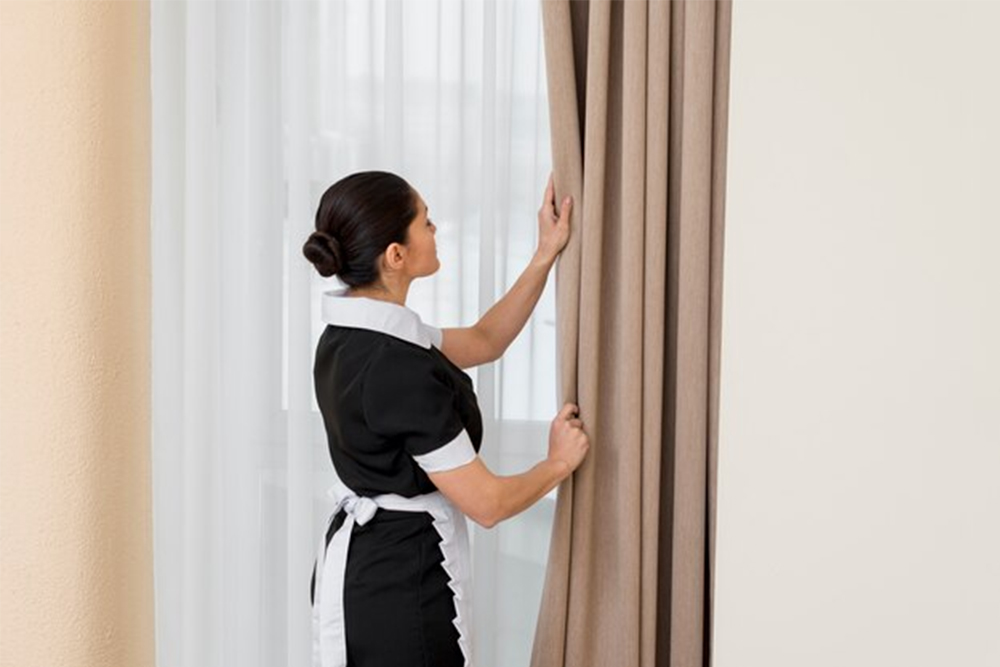
Creases in blackout curtains can be both unsightly and frustrating. These curtains serve huge functions, such as blocking sunlight, reducing noise, and providing thermal insulation. However, wrinkles may develop when the curtains are packaged, washed, or improperly hung. It is necessary to understand how to effectively remove these creases to maintain their optimal performance and aesthetic appearance. Several methods can be employed to get rid of wrinkles in blackout curtains, with some being more effective than others. Some common approaches include steam ironing, using a clothes steamer, and applying a wrinkle-release spray. Tips on proper hanging and preventative measures are also crucial in maintaining smooth and wrinkle-free curtains in the long run. Understanding the Material Blackout curtains are often made from different materials, which impacts the methods to remove creases effectively. The most common material used for blackout curtains is polyester. Polyester is a popular choice because it is durable, lightweight, and easy to care for. Another material used in blackout curtains is a blend of polyester and cotton. This combination offers the durability of polyester, while also providing a softer feel with the inclusion of cotton fibers. Additionally, some curtains incorporate a separate blackout lining, usually made of foam or a specialized fabric, which adds another layer of complexity to the wrinkle-removal process. When dealing with creases in blackout curtains, it is crucial to first understand the specific material of your curtains. This allows you to choose the appropriate techniques for wrinkle removal. For example, polyester can generally be ironed using a low heat setting, while the curtains with blackout lining may need special care to avoid damaging the lining. Finally, always check the manufacturer's care instructions to ensure you use the correct methods for cleaning and maintaining your blackout curtains. These instructions can provide valuable guidance in caring for the specific materials used in your curtains and may highlight any special considerations required for wrinkle removal. Importance of Treating Creases Treating creases in blackout curtains is essential for maintaining their functionality and aesthetic appeal. After removing wrinkles, curtains can effectively block out light and help create a comfortable sleeping or relaxing environment. Removing creases in blackout curtains is crucial for their appearance and their longevity. Over time, untreated creases can become permanent, making the curtains less effective in blocking light and reducing noise. Moreover, creases can create weak points in the fabric, making the curtains susceptible to wear and tear. Additionally, creased curtains can make a room look untidy or poorly maintained. Well-kept blackout curtains improve the overall appearance of the interior space, bringing harmony and balance to the room's decor. It is essential to address the creases in blackout curtains using appropriate methods such as steam ironing, using a clothes steamer, or wrinkle release spray. These techniques ensure effective wrinkle removal without damaging the fabric or causing discoloration. In summary, treating creases in blackout curtains is vital for their functionality, durability, and aesthetic appeal. Properly maintained curtains make a significant positive impact on the interior space, enhancing comfort and style. Precautions When Handling Blackout Curtains Blackout curtains are a fantastic addition to any room, providing privacy and helping to block out light. However, when handling and cleaning these curtains, there are some precautions you should take to ensure they stay in pristine condition. Firstly, you should always check the care label on your blackout curtains before attempting to clean them. This will provide you with important information about the specific care requirements of the fabric, such as washing temperatures and drying methods. Not following the care instructions on the label can lead to permanent damage to your curtains, including fabric shrinkage or loss of the blackout properties. When steam ironing or using a clothes steamer, it is essential to set the temperature and steam levels according to the fabric type and manufacturer's instructions. Too much heat or steam can cause the fabric to become discolored, and the blackout lining to deteriorate. Also, avoid pressing the steamer nozzle directly onto the curtain fabric. Remember to hold it a few inches away while steaming. If you need to use a wrinkle-release spray, be sure to test it on an inconspicuous area of the curtain to confirm that it does not damage or discolor the fabric. In addition, it's essential to allow the curtains to dry completely after using any form of moisture, such as steam or spray, to prevent mildew growth or unpleasant odors. While hanging the curtains, ensure they are properly secured at the top and bottom with appropriate weights that help maintain their shape and reduce wrinkles over time. Also, avoid placing them too close to heat sources, such as radiators, to prevent potential fire hazards and damage to the blackout lining. By following these precautions, you can safely handle and maintain your blackout curtains, ensuring they remain attractive and effective for years to come. Steam Treatment One of the most effective ways to remove creases from blackout curtains is through steam treatment. This method helps to ensure a pristine curtain appearance without causing damage to the fabric. The process mainly consists of two critical steps: acquiring a suitable steaming tool and applying the steam safely. Getting the Right Steamer Selecting the right steamer for your curtains is vital for achieving optimal results. Some popular options include handheld garment steamers or standing steamers that can be used vertically. In general, the steamer should heat up quickly and be versatile, not only working on curtains but also other household textiles. Make sure to follow the manufacturer's instructions when setting up your chosen steamer. Applying Steam Safely Once your steamer is set up and heated, follow these steps to apply steam effectively and safely: 1. Hang your blackout curtains on a curtain rod or any appropriate hanging surface, ensuring they are straight and properly installed. 2. Begin by testing a small, inconspicuous area to ensure the fabric and lining can withstand the steaming process. 3. Hold the steamer nozzle a few inches away from the curtain fabric, and apply steam evenly across the surface of the curtains while maintaining a safe distance to avoid burns or damage to the fabric. 4. Work your way from top to bottom, stretching the fabric gently as necessary to help release the creases. By following these steps, stubborn creases can be effectively removed from blackout curtains, providing a polished look and enhancing the overall aesthetic value of any room. Using the Iron Method Setting the Correct Temperature To effectively remove creases from your blackout curtains, it's crucial to set the correct temperature on your iron. Different materials may require varying amounts of heat. Check the manufacturer's instructions for your curtains, and adjust the iron to the proper temperature to avoid damage. Ironing Technique When ironing blackout curtains, the best approach is to indirectly iron them by laying a piece of paper or a thin cloth over the curtains and ironing the protective layer. This technique helps prevent damage to the blackout lining while still smoothing out wrinkles. Remember to stretch out the curtain before ironing to ensure an even finish. Make sure to follow the guidelines provided by the curtain manufacturer and use a low heat setting if required. This way, you'll achieve a crease-free look for your blackout curtains while preserving their functionality and appearance. Washing as a Last Resort Sometimes, washing your blackout curtains might be necessary to get rid of stubborn creases. In this section, we will discuss how to carefully choose the right detergent and follow specific drying techniques to ensure that your curtains remain in good condition. Choosing the Right Detergent When washing your blackout curtains, it's essential to choose a detergent that's gentle on the fabric. Consider using a mild detergent specifically designed for delicate fabrics, as it can help prevent damage to the curtains while still eliminating dirt and stains effectively. In addition, always follow the manufacturer's washing instructions on the label, as certain curtain materials might require specific care. Drying Techniques After washing the curtains, proper drying techniques are crucial to minimize the chances of creating new creases. Instead of using the dryer or direct sunlight to dry your curtains, consider these alternative methods: ● Air drying: Hang the curtains on a clothesline or drying rack, ensuring they're not wrinkled or bunched up. Allow them to dry naturally with good air circulation. ● Ironing: If the curtain material is safe to iron, use a low heat setting and a protective cloth between the iron and the curtains. Iron the curtains while they're slightly damp to achieve a smooth finish. ● Steaming: Some fabrics can withstand steaming, which can be a convenient way of smoothing creases directly from the curtains in their hanging position. Always test a small inconspicuous area first to ensure the fabric and lining can withstand the steam. Remember, washing your blackout curtains should be the last resort. Before trying this method, make sure you've exhausted all other options, such as using a wrinkle-release spray or steaming the fabric. Professional Assistance When dealing with stubborn creases in blackout curtains, it might be beneficial to seek the help of professionals. They are equipped with specialized tools and knowledge, ensuring a thorough and efficient process. One option is to hire a professional steaming service, which can effectively remove wrinkles without damaging the fabric. These experts use industrial-grade steamers to apply gentle yet powerful steam, penetrating the fibers and releasing the creases. Another possibility is dry cleaning. Certain blackout curtain materials may be delicate or incompatible with regular washing, making dry cleaning safer. Professional dry cleaners possess the expertise and tools to treat and de-wrinkle various fabric types with care. Lastly, when installing new blackout curtains or moving them between locations, a professional curtain installation service may ensure proper hanging to minimize the chances of creasing. Proper installation can help preserve the curtain's structural integrity and maintain its desired appearance. Choosing the appropriate service depends on individual circumstances and the type of curtain material involved. Regardless, professional assistance can provide peace of mind and optimal results. Contact us today and get free samples for your business venture.